
Key Ingredients
Replicate beloved Latino recipes at home with these traditional pantry items.
Ever walked into the home of a Latino friend and had your nose perk up at the complex aroma coming from the kitchen? After having your first bite, did you ask for the recipe?
Latin cuisine is unique. It has evolved over centuries into a delectable combination of local ingredients — such as tomatoes, beans, and coconuts — and imported citrus fruits, starchy vegetables, and spices from Africa and Asia. Then add various cooking techniques, including the barbecuing popular among Indigenous people, the stew-making done by descendants of the enslaved, and the use of delicious fats by Europeans, and you can begin to understand why the taste of Latin food becomes a positive core memory for the many who’ve enjoyed it.
A Blending of Cultures
Rice, which originated in China, is a staple in the vast majority of Hispanic homes. In most cupboards, you’ll find the extra-long-grain variety. This style of grain is important because when mixed with beans, meats, vegetables, and coloring spices, it mostly maintains its shape and airiness.
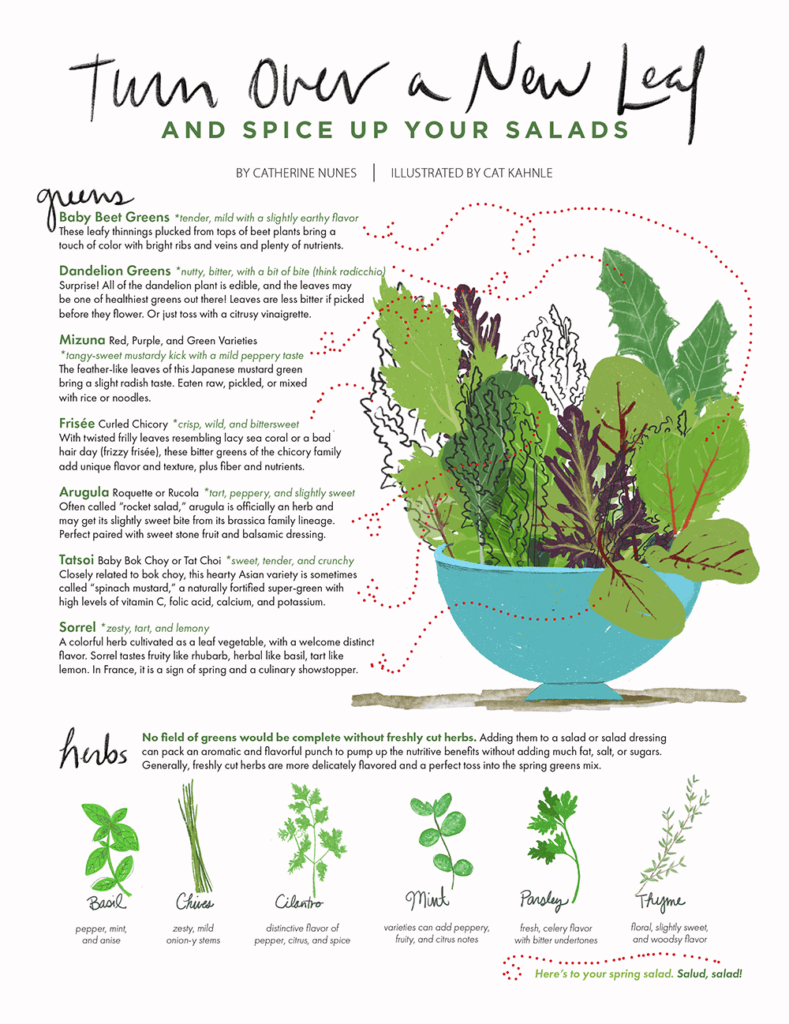
Cilantro, a fresh herb from the parsley family and native to Asia and Southeastern Europe, often is included in soups, salads, and protein dishes (beans, cheese, eggs, fish) dishes and meat gravies. The dried seed is called coriander.
Spice is Nice
The next key ingredient is spice … or, really, several spices that are blended to create new, distinctive flavors. Take, for example, the popular Latino spice blends adobo, Tajín, and Bijol.
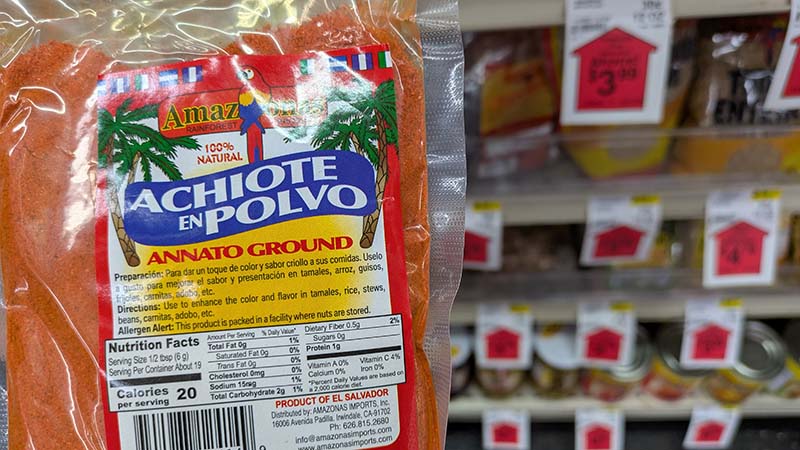
Why not just pick one spice? Because this blending dates back to the conquest of the Latin American region after Christopher Columbus mistakenly thought he had found, on behalf of the Spanish crown, a new trade route to India. Instead, when he arrived in the Caribbean — and others landed in Mexico and Central and South America — they discovered other organic, local spices. Eventually cumin, oregano, and black pepper made their way west into Latin American cooking while paprika, allspice (also called pimento), and vanilla made their way east. Other seasonings you’ll likely find in a Latin spice rack include achiote (annatto) and cacao nibs.
Beans — particularly the black, kidney, cannellini, and pinto varieties — are endemic to Latin America and are great sources of protein and fiber. These legumes make it into stews, rice, and meat dishes. They’re delicious with corn and taste yummy with tortillas, sopes, and arepas, and mixed with kernels in cold salads.

The last, but certainly not least, important ingredients are the members of the nightshade family: tomatoes, peppers, and chiles. While not every member of a household enjoys the heat, most everyone loves the flavor and tang of these ingredients, not to mention the color and antioxidants they add to every meal.
While this list is not all inclusive — onions, garlic, citrus fruits, and avocados also, of course, are found in most kitchens — the five key ingredients on it will help you cook any Latino recipe you wish at home. You can find all of these ingredients in the local Hispanic supermarkets in Reno and Sparks.
RESOURCES
Carniceria La Chiquita Meat Market & Deli
4385 Neil Road, Ste. 102, Reno
775-825-9150 · Find Carnicerialachiquita on Instagram
Carnicería Mi Rancho
2211 Oddie Blvd., Sparks
775-683-9446 · Find Carmirancho on Instagram
Carnicería Tres Amigos
2145 Sutro St., Ste. 5, Reno
775-324-2122 · Carniceriatresamigos.com
El Super
1901 Silverada Blvd., Reno
775-393-3996 · Elsupermarkets.com/store/silverada
Marketón
1500 S. Wells Ave., Reno
775-786-8788 · Find Marketonreno on Instagram
Toro De Oro Market
588 N. McCarran Blvd., Sparks
775-622-3919 · Find Torodeoromarket on Instagram
More From This Issue
Rhubarb
Add springtime zing to jams, pies, and savory dishes.written by Jamie Collins First appeared in Edible Monterey Bay’s Spring 2022…What’s In Season
MAY: Asparagus, beets, broccoli rabe, cabbage, carrots, chard, chives, collard greens, daikon radishes, dandelions, fava beans, green onions, kale, leeks,…