The Good, the Bad, and the Ugly
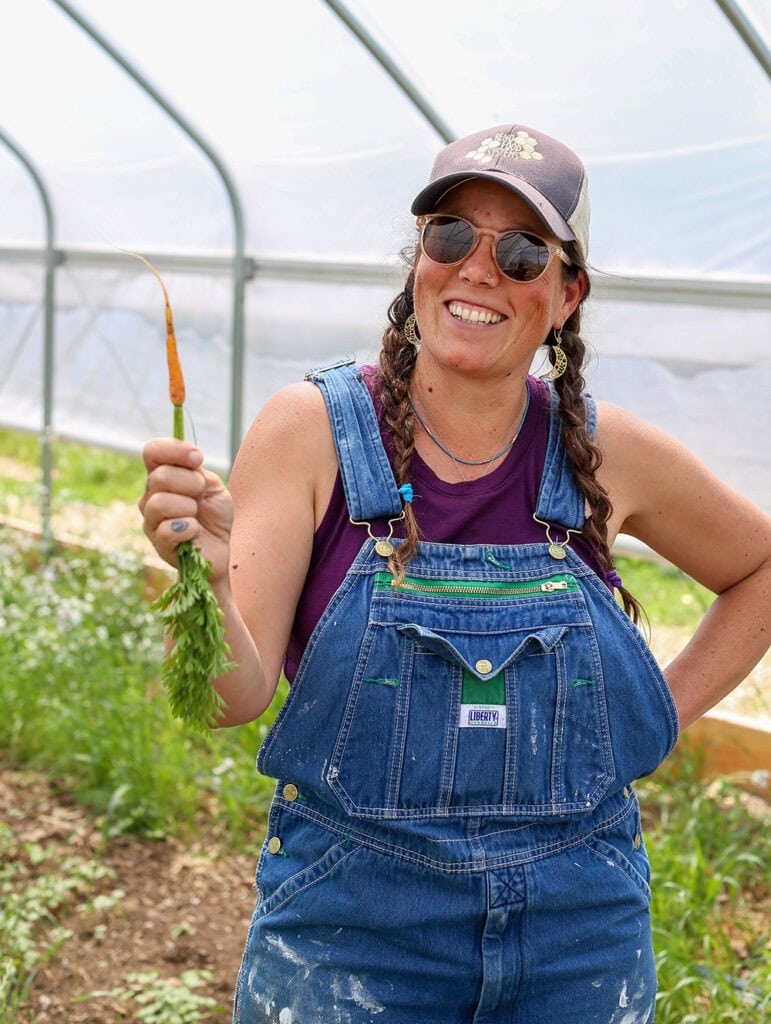
Don’t let appearances deter you from buying imperfect produce.
Beauty is in the eye of the produce holder. But farmers and other agriculture professionals, as well as people invested in sustainable futures, are challenging what good produce looks like.
In a world where grocery stores and commercials have created a perhaps unrealistic standard of beauty for fruits and vegetables, local farmers and national delivery companies are championing what has been termed “ugly produce.”
That is what you’d call foods that do not meet the aesthetic standards of traditional grocery stores. Due to an increasingly false perception among consumers of what is natural, multilegged root vegetables, crooked carrots, lumpy or cracked tomatoes, and other seemingly imperfect fruits and vegetables often hit the compost pile instead of store shelves.
On the inside, however, there’s nothing wrong with these items, and the emphasis on physical beauty has, unfortunately, created a wasteful system that devalues good food simply because it looks different from our idea of quality. In the United States alone, more than 20 billion pounds of good, healthy produce go to waste each year, simply because consumers don’t think it’s attractive enough. Embracing ugly produce can help reduce food waste and support the supply chain.
Marketing Mistake
“When you go to the grocery store, a carrot is one long, pointy, orange thing. It’s very hard to get them to grow like that,” says Lyndsey Langsdale of Reno Food Systems, a nonprofit urban farm in Reno.
Due to the often rocky and clay-rich soil found in Northern Nevada, root vegetables are particularly prone to disfiguration. Langsdale explains the phenomenon: Many root vegetables, especially carrots, grow multiple legs. However, if any root vegetable hits a rock in the soil, it will grow around that rock, leading to a different shape than has been established as the norm.
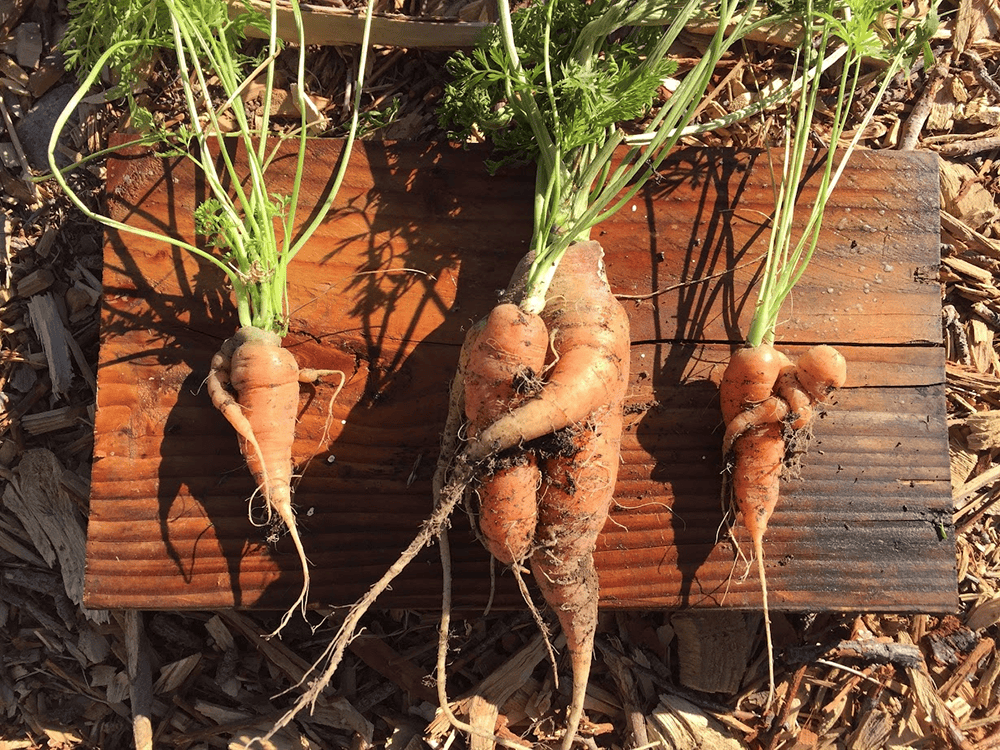
Langsdale didn’t want to waste the ugly carrots grown for the Reno Food Systems farm stand, so she started selling them at a discount in a bin labeled “Juicing Carrots.” The idea didn’t take off, and those misshapen vegetables often went unsold.
One day, she changed her marketing approach and instead she put an “ugly” label on the bin of wild carrots, even putting a cute little cartoon drawing next to it. That day, customers kept insisting the carrots weren’t ugly but cute; those carrots now frequently sell out with no discounts applied.
Carrots aren’t the only veggies that can fall into the ugly category.
“The beets always look pretty funky,” Langsdale says. “Heirloom tomatoes always look crazy. Sometimes our squash can get wild looking.”

Yet looks can be deceptive, and education is important. Informing shoppers at farmers’ markets, farm stands, and other locations that these wild items are in no way bad or rotten is part of the solution.
“It’s really all about marketing and what we’ve done to our food systems in general,” Langsdale says. “Humans are doing weird things to the product to make them look that way. That’s worse for you than eating an ugly carrot.”
Perhaps GMOs should be part of the new definition of ugly.
Redefining Good Produce
There’s no need to fret if you come across produce that looks a bit different. Langsdale says farmers are well versed in what products are good to sell and which are bad, and they won’t put rotten or otherwise improperly grown foods on their stands. However, to be sure of produce quality, she suggests using all of your senses, not just sight.
Fresh, healthy produce will smell good, not be too squishy, and be mold free. You’re looking for those same characteristics in ugly produce, avoiding food in the grocery store that can be overripe, smell funny, or not be perky, vibrant, and firm.
Resolving to buy ugly produce also requires going outside of traditional grocery stores. Reno Food Systems specifically sells to Great Basin Community Food Co-op in Reno, where Langsdale says she admittedly features her better-looking produce. She added, though, that there’s never been a conversation with co-op leaders about not taking her food based on aesthetics.
“I’ve seen wild-looking carrots there before from other farmers,” she says. “They do their own education around this situation.”
Farmers’ markets also may sell unconventional-looking produce, sometimes at a discount.
In the end, those five-legged carrots that look a bit funky are giving you more bang for the same buck, as the carrot itself is usually larger.
Another option is ordering from online retailers such as Misfits Market, Imperfect Produce, and Hungryroot, which use the food products grocery stores won’t accept, including produce, and sell them online at a discount, championing a more sustainable future. All three ship to Nevada, and some even work with local farmers to source their products.
In a world evolving to be less vain, with greater focus on inner beauty versus outer aesthetics, we could apply those same growth principles to our food. Focusing on the taste and quality of produce, and on shopping for locally grown foods, not only leads to healthier consumers but also a healthier planet.
Most grocery stores won’t sell ugly produce, so supporting local farmers is one of the best ways to purchase it. Attend local farmers’ markets and check out the edible Reno-Tahoe Farm Guide at Ediblerenotahoe.com/guides/farm-guide to get acquainted with local purveyors, many of whom champion inner goodness over outer beauty.
RESOURCES
Reno Food Systems
3295 Mayberry Drive, Reno
775-815-1113 · Renofoodsystems.org
Great Basin Community Food Co-op
240 Court St., Reno
775-324-6133 · Greatbasinfood.coop
Riverside Farmers Market
2055 Idlewild Drive, Reno
209-800-4474 · Renofarmersmarket.com
Shirley’s Farmers’ Markets
775-722-7621 · Shirleysfarmersmarkets.com