How Sweet It Is
Hearts of Gold melons have been celebrated in Nevada for 100 years and counting.
For many people, summer means ice cream, barbecues, beer, and corn on the cob — all excellent seasonal treats. For me, summer always will conjure ripening melons, the flesh almost cloyingly sweet, with juices running down my arm.
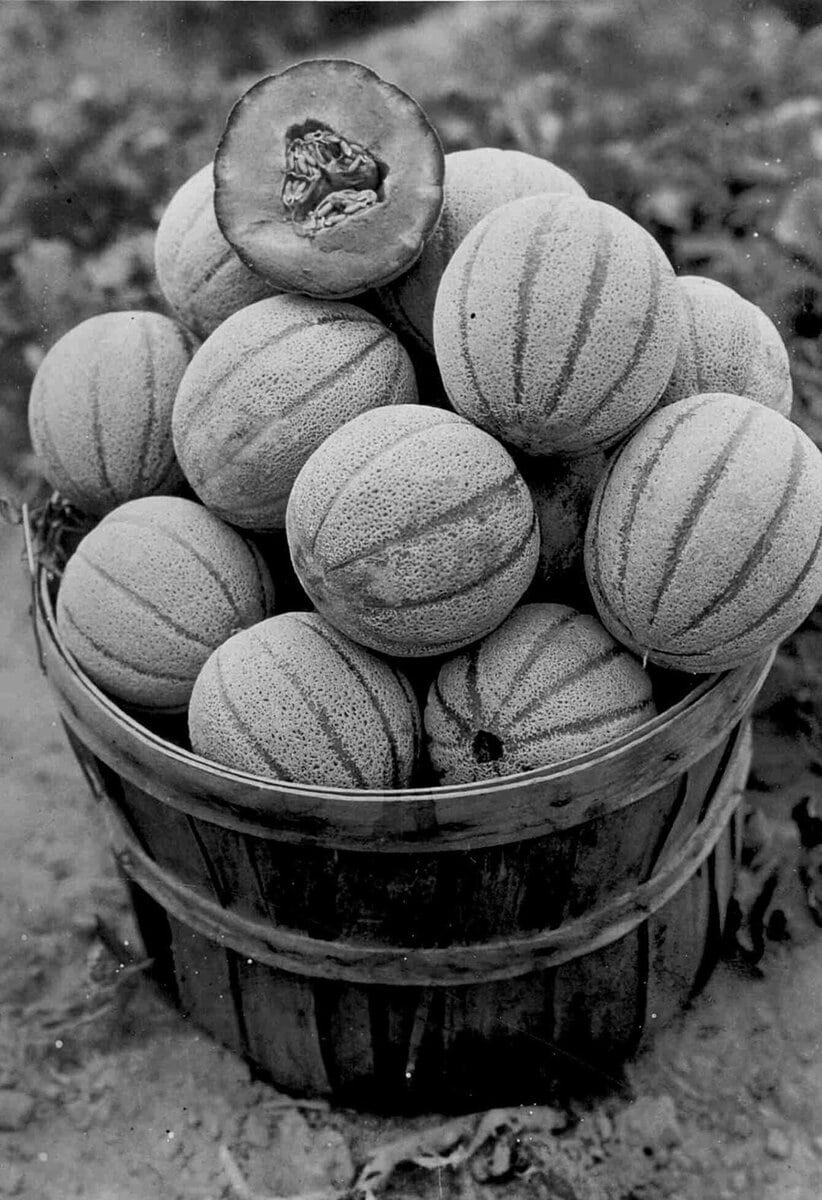
For many Northern Nevadans, thinking about melons may immediately conjure images of the famed Hearts of Gold cantaloupes, an heirloom variety that’s been around since about 1895. These hefty orbs are celebrated late every summer in Fallon, where they’ve been grown since 1911 and found new life in 1985 at the Fallon Cantaloupe Festival. The journey of how a small town in Nevada came to be associated with cantaloupes is quite a story.
Water in the Desert
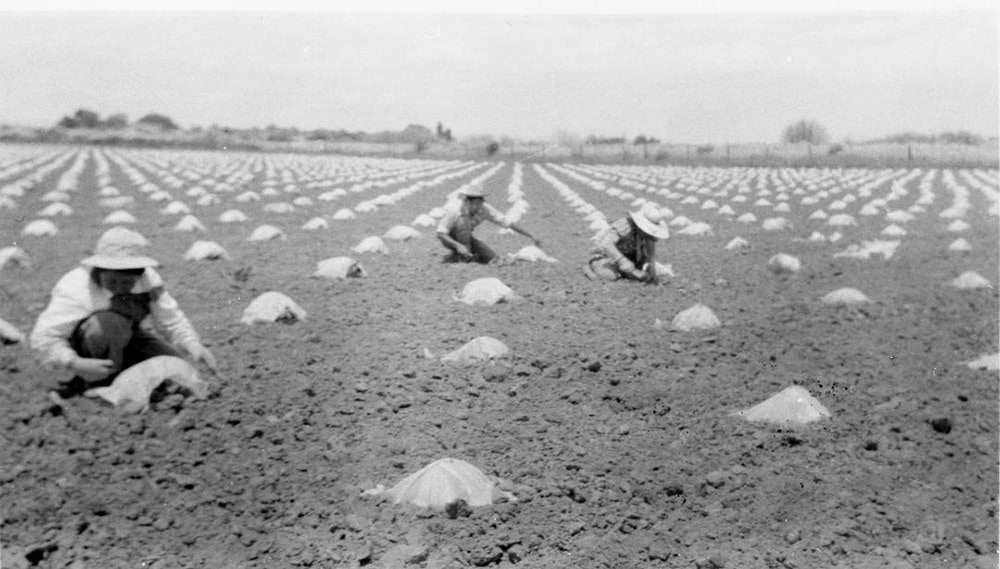
Fallon agriculture revolves around irrigation. Starting in 1903 with the Newlands Project (formerly the Truckee-Carson Project), water was diverted from the Truckee and Carson rivers via a 31-mile canal to create a productive agricultural area. Lahontan Dam, completed in 1914, was a key component of the project, allowing for water storage and subsequent irrigation distribution. The transformation earned Fallon a nickname: The Oasis of Nevada.
Enter farmer O.J. Vannoy. In 1911, he experimented with crossbreeding Hearts of Gold seeds in Fallon’s Swingle Bench (yes, this is a real place). During the 1920s and 1930s, demand grew for the cantaloupes from as far away as the eastern United States. With their deep vertical grooves causing cinches at the top and bottom, they looked a bit like hearts, which inspired their name.

The melon’s hard rind made this variety ideal for cross-country rail shipments. According to a Nevada Appeal story in 2024, “Fallon produced the ‘king of cantaloupes’ and virtually cornered the market with a reputation for jumbo-sized melons with unmatched sweetness.” The fruits made their way into some of the most exclusive restaurants in Reno, San Francisco, and Salt Lake City.

The market demand was great enough that Fallon farmers felt it was worth the risk of bad weather and competition to produce this strain. During the height of its popularity, there were 44 growers in Fallon and nearby Fernley, according to a 2023 Nevada Independent story.
Unfortunately, widespread production of these cantaloupes ended with the Great Depression in the 1930s. The Hearts of Gold breed was overshadowed by newer hybrids, and farmers shifted toward growing valuable alfalfa in the Lahontan Valley. Interestingly, according to the website Falloncantaloupefestival.com, a group of six Chinese immigrant families continued to grow the melon even after other farmers abandoned it.
A Second Chapter
A few Fallon families kept the melon’s tradition alive. A 1986 story in the Reno Gazette-Journal mentioned that several farmers and businessmen met in March 1985 to plan a first-ever cantaloupe festival.
“We’re hoping this will become a major annual event,” says event organizer Mike Spencer, adding that he believed it would be a great way to celebrate the annual August harvest.
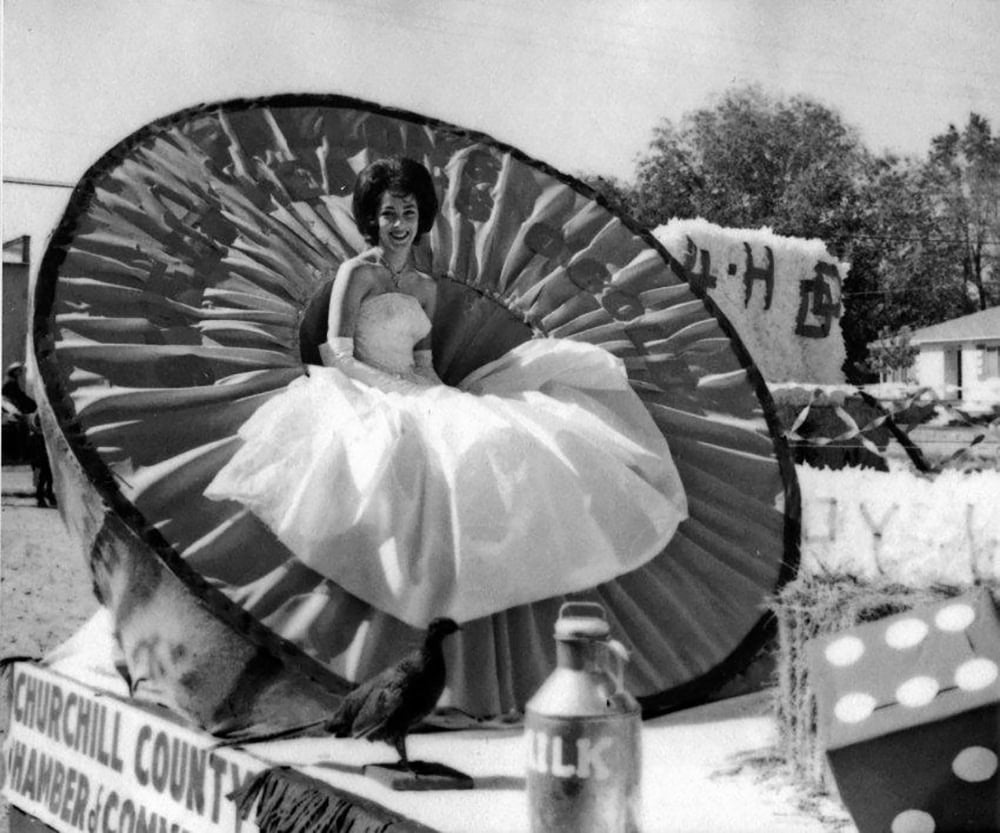
The next year, the Mason Valley News reported that area residents were going to set up stands on Maine Street sellingHearts o’ Gold (a variation of the original spelling) cantaloupes and other products. A tradition was born, and the festival now is celebrating its 40th anniversary.
The timing for the celebration was fortunate, just as farmers’ markets rose in popularity and the locavore movement picked up steam. The festival draws up to 20,000 visitors annually — impressive considering that Fallon’s population in 2023 was about 9,500.
Officially now known as Fallon Cantaloupe Festival & Country Fair, it is one of Nevada’s longest-running agricultural gatherings. It features vendors, a rodeo, displays, competitions, and entertainment. Visitors are assured of a good time, but, for me, when cantaloupes are picked fresh from the fields, that’s when I’m in heaven.
Fallon Cantaloupe Festival & Country Fair
Aug. 22 – 24
Falloncantaloupefestival.com