Urban Garden Heals Lives
Hope Springs teaching garden and kitchen help people transition off the streets and into new lives.
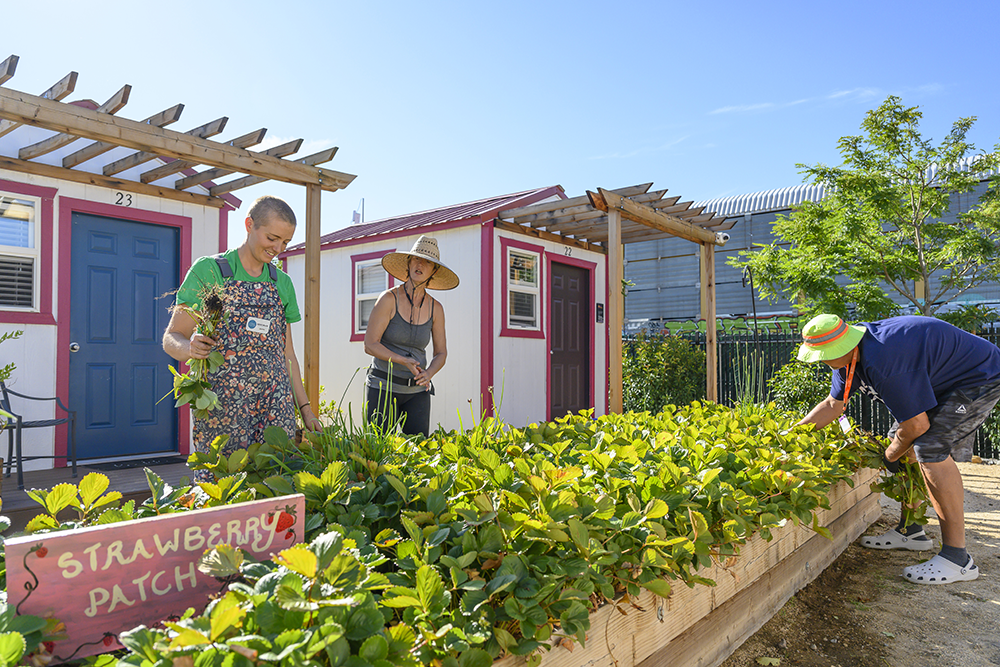
In a tucked-away corner of East Fourth Street in Reno, 30 tiny homes surrounded by an urban garden help people, plants, and passions flourish.
“The garden gives individuals an outlet,” says Mandi Larsen, chief development officer of Northern Nevada HOPES, a nonprofit community health-care center for the underserved in Reno. “People are dealing with trauma work, substance-abuse issues, domestic violence, and it gives them a break from that hard work themselves to take a step back to live in the moment, get their hands dirty, and see something they put into that soil grow, and even eventually nourish their bodies.”
Five years ago, HOPES opened the Hope Springs transitional housing community. It was built on one acre near the Washoe County Human Services Agency’s Nevada Cares Campus, an emergency shelter for people experiencing homelessness. Hope Springs (which residents often simply refer to as “Hopes”) helps people transition from the shelter to independent living through a six-month intensive mental-health and lifestyle-training program.
Where Hope Springs
From the outset, the HOPES plan included incorporating a fruit-and-vegetable garden into the campus design, along with a central community building for laundry, meetings, cooking, and office work.
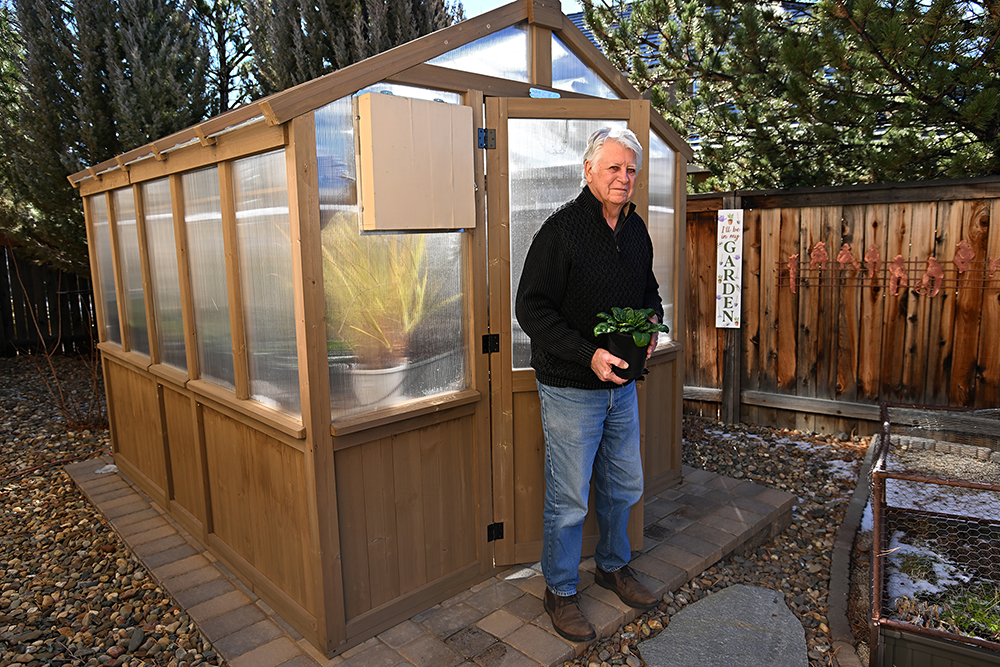
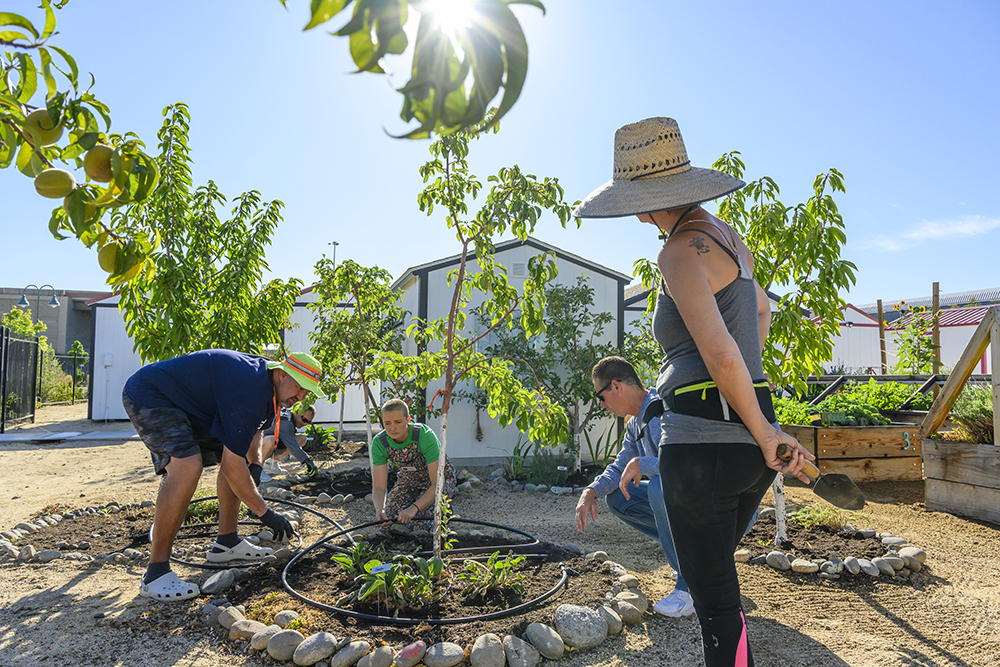
In the community, five clusters of six homes, each no larger than a single bedroom, are separated by raised planter beds. Some of the planters grow fruits and vegetables while others grow flowers. In front of the houses, a much larger garden area with raised planters, trees, and a supply shed creates privacy from Fourth Street.
“In the middle of Fourth Street, where there’s a lot going on — a lot of chaos — and people needing support, Hopes is a real safe haven,” says Kelsey Hoffman, Urban Roots’ community programs director.
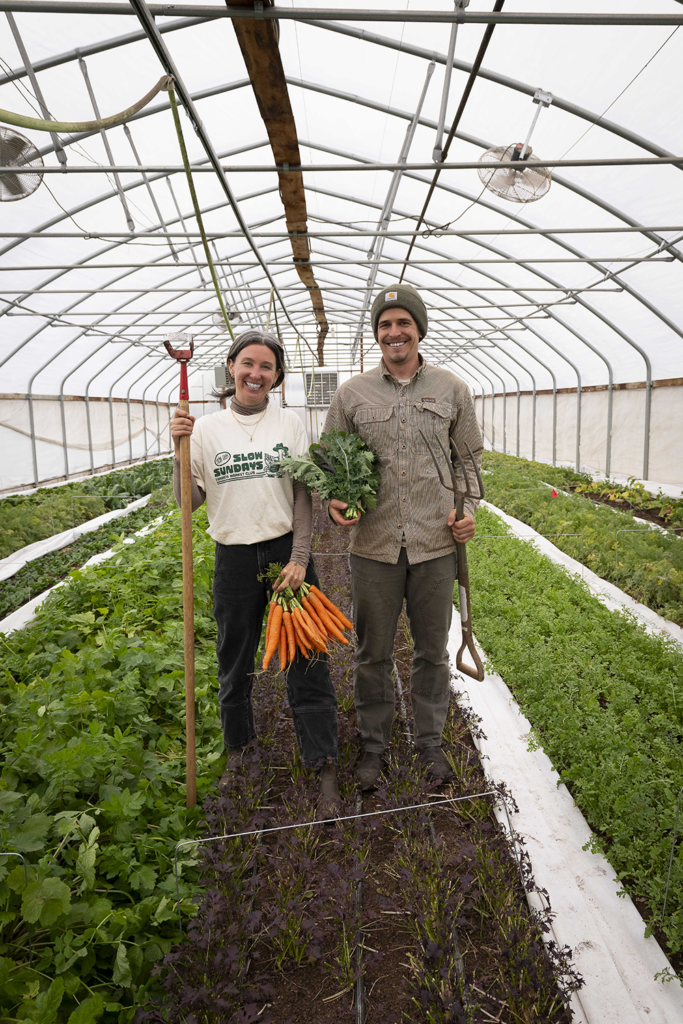
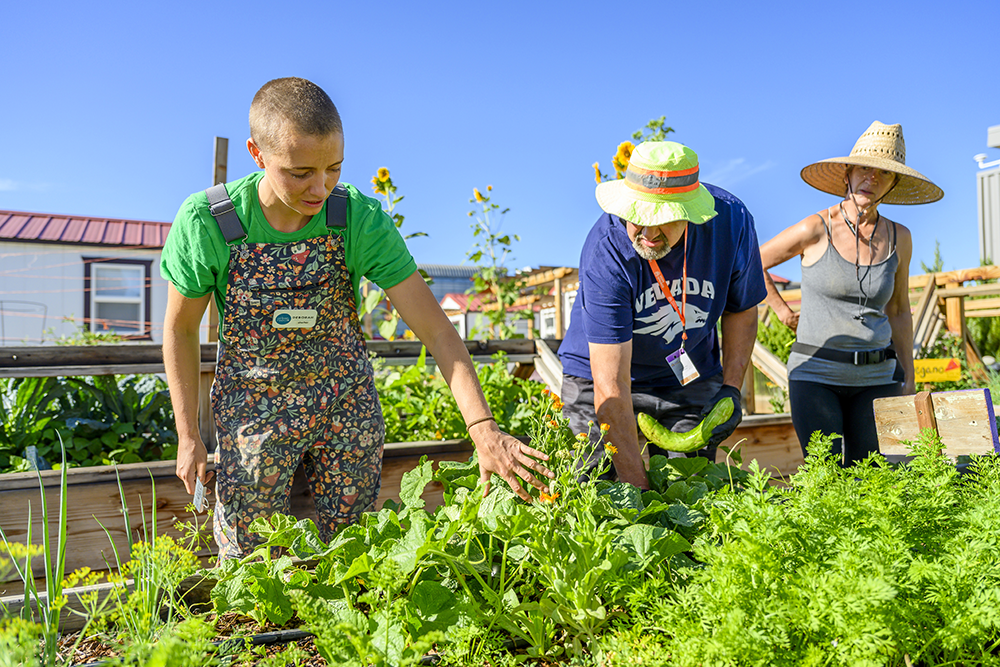
Urban Roots, a nonprofit garden-education organization in Reno, was an immediate fit to run the garden and cooking program. Urban Roots’ staff members and volunteers host weekly gardening classes that teach participants how to maintain their gardens and harvest food when it’s ready.
“Usually, we get one or two people really excited about the gardening who maybe have a landscaping background, so there are a couple of people leading the charge,” Hoffman says. “But the garden is part of the weekly chores the residents steward.”
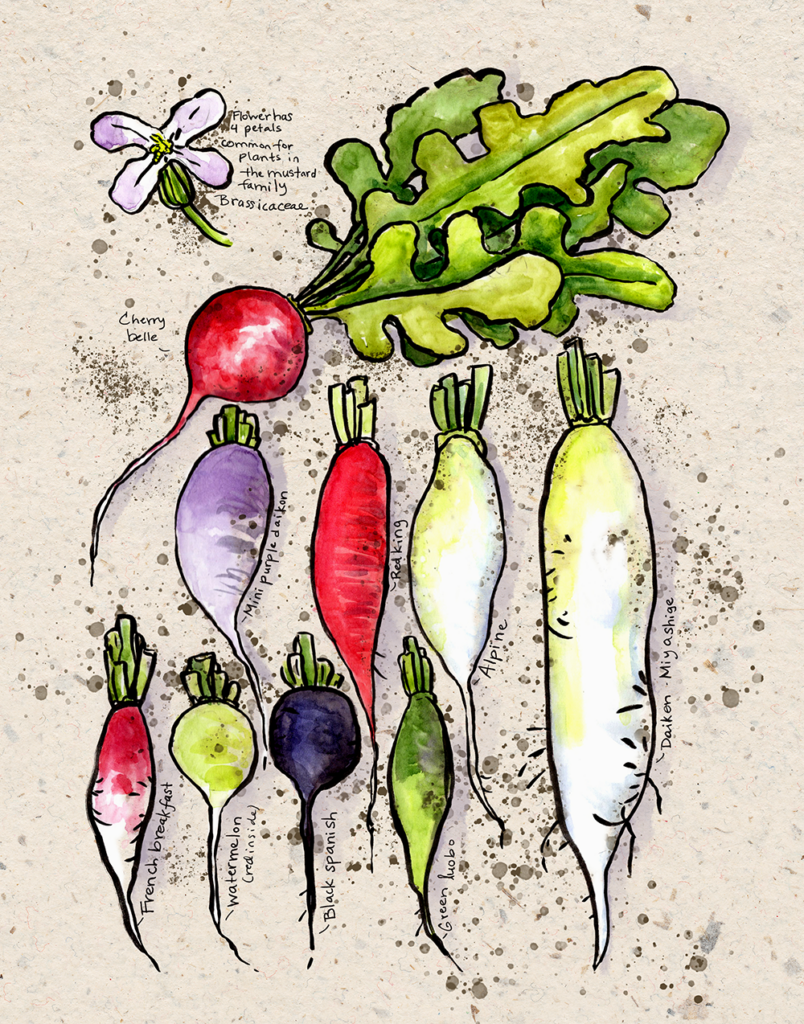
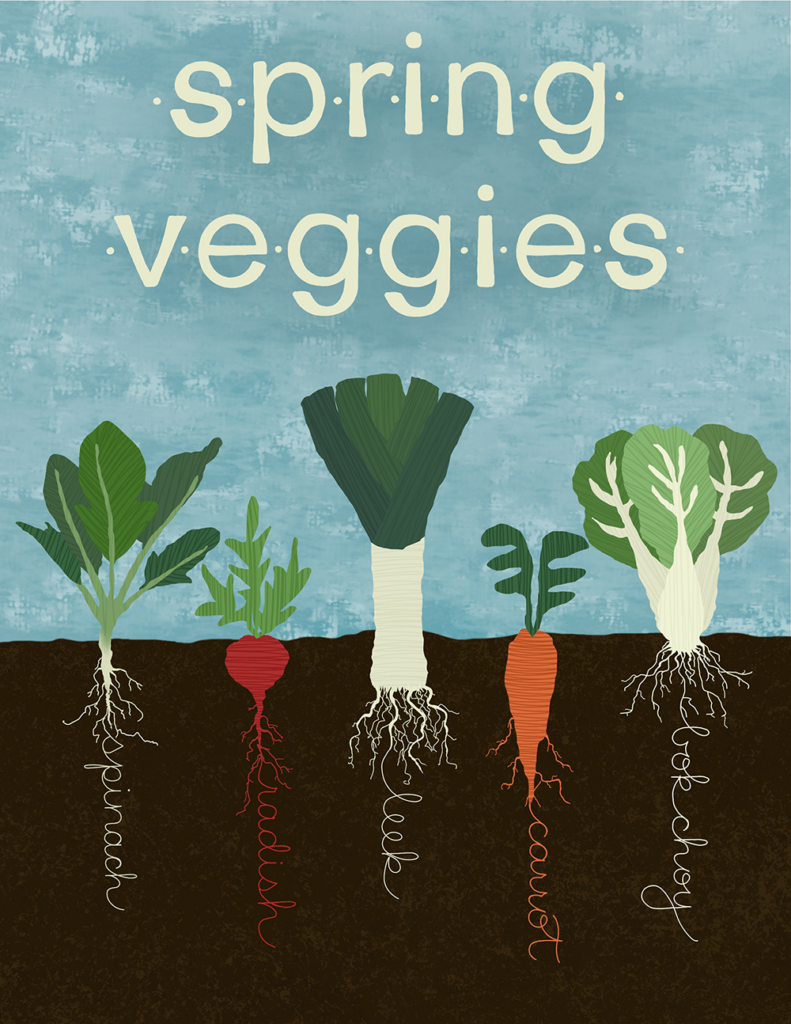
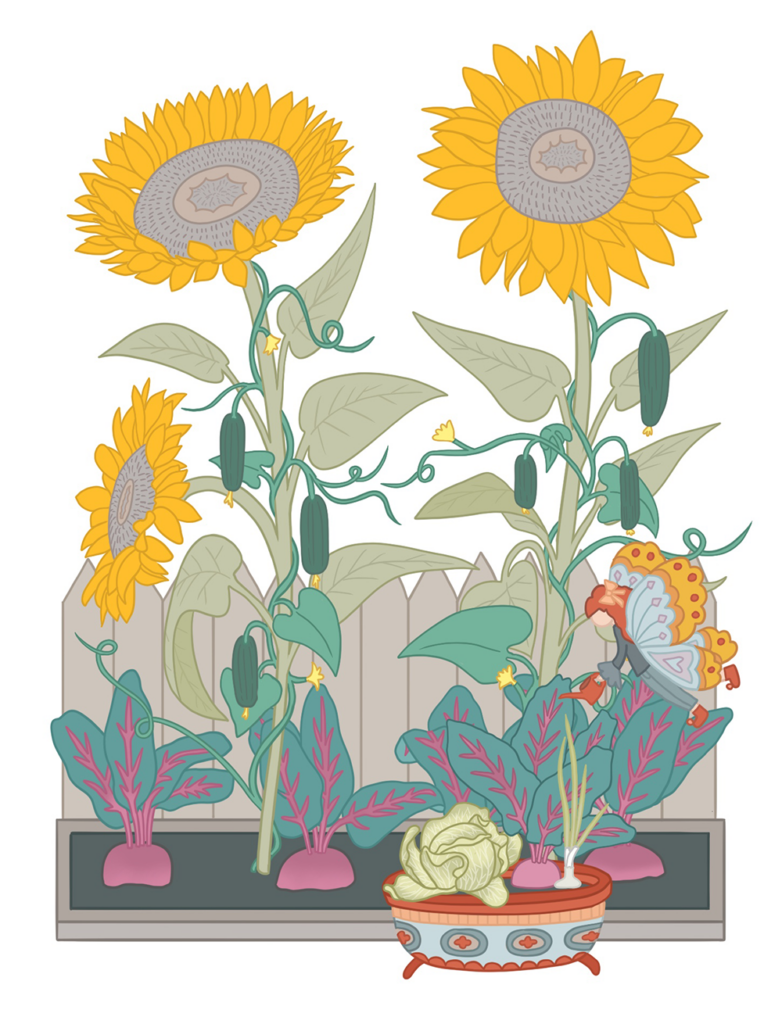
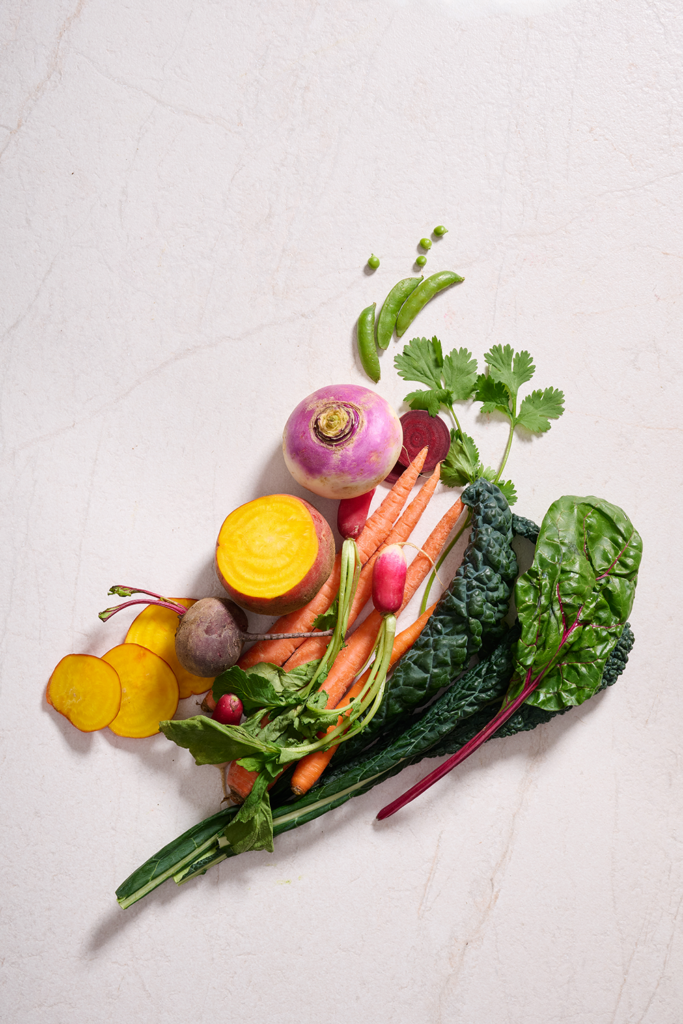
During the cold months, they grow radishes, lettuce, kale, carrots, and green onions. And during the warm months, they grow tomatoes, peppers, horseradish, strawberries, cucumbers, and squash. A small collection of apple and peach trees also fills out the garden.
“The first thing I did was take pictures of the garden and send them to my wife, sister, and daughter,” says Hope Springs resident Asa Evans. “And they were like, ‘Wow, that place looks really nice!’ It’s just a good energy that comes from Urban Roots.”
Healing Garden
Many of the residents struggle with drug addiction and physical and mental health problems. Matt Bayley says Hope Springs is the first program he’s been to that addresses all those issues while also assisting with job placement and training.
It also teaches him other ways to stay healthy by giving him a day-to-day routine of tending the garden. It reminds residents that staying sober, learning, and maintaining a job often look the same.
“The garden shows me that doing things day by day and putting in the effort pairs with my journey here at Hopes,” he says.
Other residents and managers echo the sentiment that weeding the garden, caring for the plants, assessing their health, and harvesting vegetables to make food help them reflect on their own needs as well.
“I feel like the garden grows and I grow,” Bayley says.
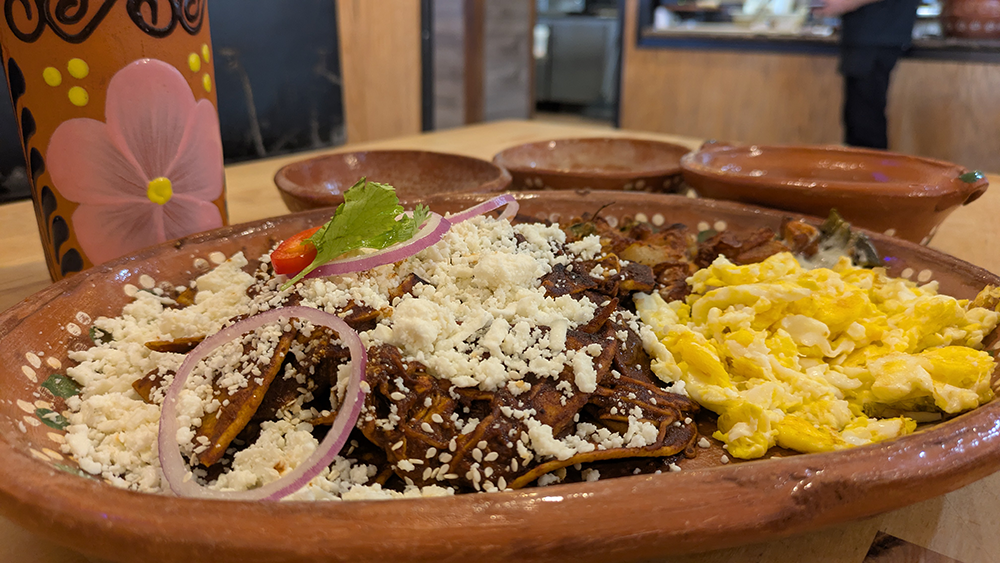
On Tuesday nights, all community members gather to cook the fruits (and vegetables) of their labor. Hoffman talks through meal prep for the week, then the group selects a recipe to cook together. Building the recipe from their harvest helps people see the connection between the soil, the ingredients, and their health.
“Canned food, if you’ve been living on the streets, is a staple,” Hoffman says. “You can carry it around with you, and it’s not going to go bad. So we’re preparing people as they step into having their own space again, or maybe for the first time ever, to feel confident they could cook for themselves.”
Bayley says he started with the program having no knowledge of eating healthy or cooking for himself.
“I would make everything in the microwave,” he says. “To learn the skills and see that it’s not that difficult to eat healthy and to pick a healthy alternative to those processed foods — I’ll absolutely take that out of this program. I see the results. I feel better. I feel encouraged to start applying what I’m learning during the classes throughout the week.”
Evans and Bayley rave about some of their favorite recipes, particularly discovering that some vegetables, even broccoli, beets, and kale, can taste good.
“The broccoli casserole was pretty fire,” Bayley says.
This year, Julia Cross, director of Hope Springs, says the organization will launch a new Food is Medicine series to demonstrate the relationship between certain foods and health.
“A lot of our residents have done harm to their bodies with previous lifestyles, and though we can’t erase that damage, we can make healthier choices and build a better, brighter future by controlling what we eat,” Cross says.
The classes will focus on how diet and ingredients affect diabetes, cancer, and other diseases, teaching participants to read ingredient lists while also emphasizing the importance of whole foods.
“The big, profound change for me coming to Hope Springs is the mindfulness of putting healthy garden-grown food, or healthy store-bought food, in my body,” Evans says.
“I’m starting to develop that need for the unprocessed, real food, and I feel like it’s helping my body heal,” Bayley says.
Cross says she reminds residents that creating sustainability happens one meal at a time.
“That’s me,” Bayley says. “I went from being on the streets, surviving on Reese’s peanut butter cups, to here, to making small changes slowly. Before you know it, you’re just eating healthier.”
More From This Issue
Party Like It’s 1927
Magic descends on Reno’s Idlewild Park, especially on summer nights. It’s lit by the diverse vendors at Food Truck Fridays,…