Sowing Seeds
Growing produce is all about the timing and technique.
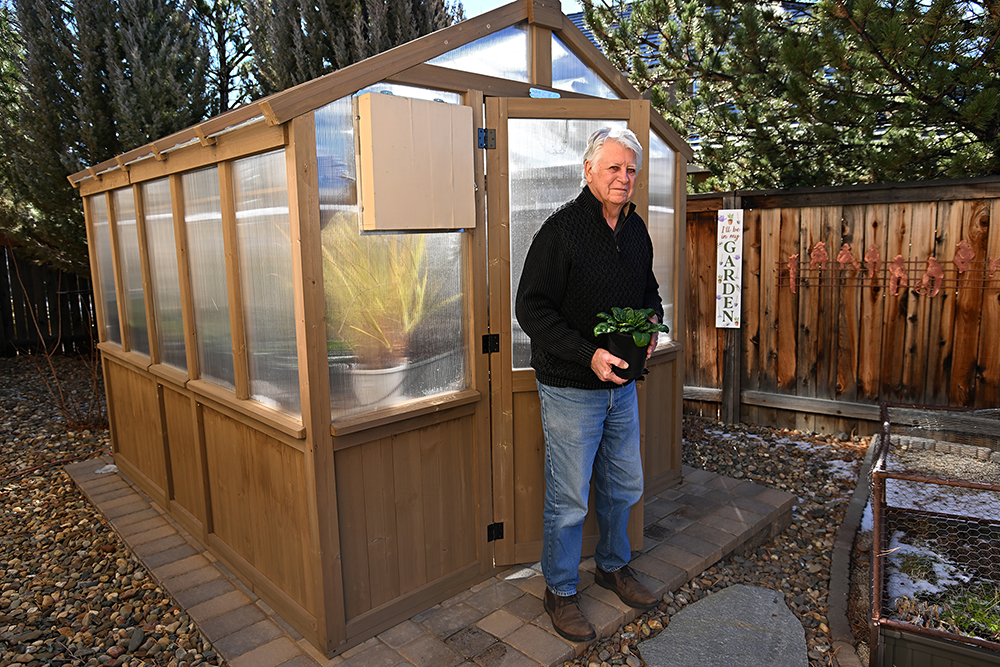
It may not be the type of gamble that some people associate with Nevada, but planting seeds for your garden definitely is a game with some risks. This is a fact that Rachel McClure knows well.
“People say, ‘You live in Nevada, you must gamble,’ and I don’t gamble, but I garden, and it’s the same thing, because you just never know with our weather,” says McClure, Washoe County master gardener coordinator with the University of Nevada Cooperative Extension.
Even if you’re rolling the dice on how long winter is going to be or when the seasons are really going to take place in our region, you still can make some educated decisions about when to plant seeds and grow vegetables, herbs, and flowers in your own garden. McClure understands this appeal, which is why she’s always happy to share her expertise.
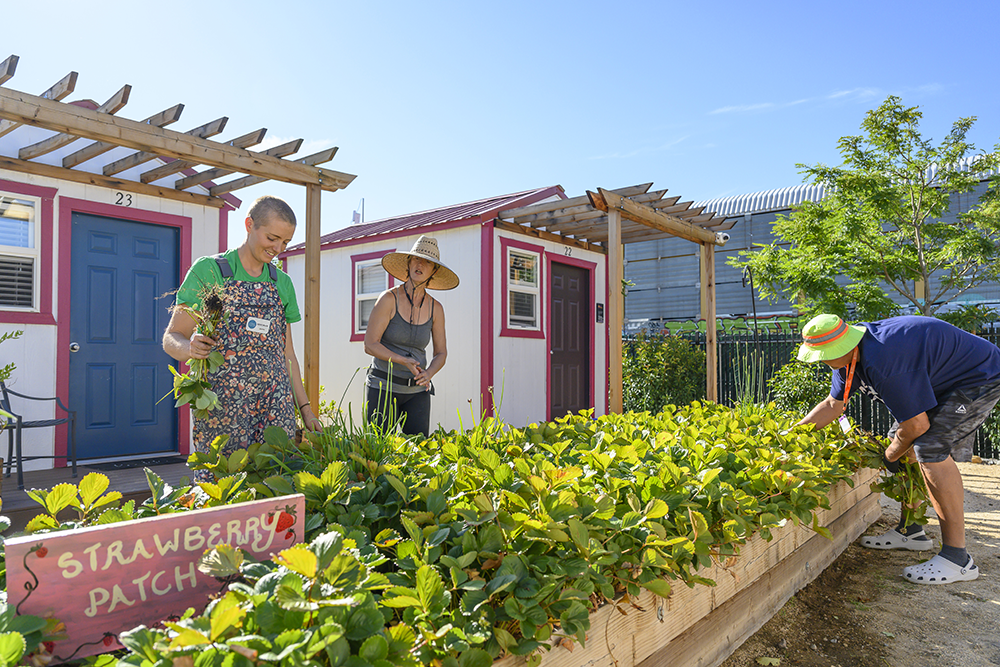
“There’s a cathartic action to gardening,” she says. “It’s very therapeutic to go through those physical motions.”
Back to Basics
To foster plants’ healthy growth at the seeding stage, it’s important to understand the basic mechanics. For plants that begin their cycle indoors, McClure recommends that you grow seeds in an indoor spot that has strong, bright light.
“If you have a little grow light to supplement, that will help you, but it’s not required,” McClure says.
It’s also important to have good airflow to ensure consistent temperatures, depending on what you’re growing. Running a small oscillating fan a few times a day where the seeds have sprouted is important for this, and McClure says it’s also a way to cut down the potential for disease and fungus in the soil.
You can transfer many types of seeds to an outdoor area when the temperature is warmer, but McClure suggests seed coverings at first; these can range from store-bought frost cloths to objects such as modified milk jugs.
“It’s not necessarily to create a greenhouse effect, but more to protect it from other insects or pests,” she says. “Insects and squirrels love little seedlings because they’re soft and tender, and there aren’t as many options for them in the spring.”
Once outdoors, make sure the soil is loose and moist (but not too wet) to promote better growth. McClure says you don’t need to add fertilizer or compost at this stage — that’s for when the plants are growing.
In terms of specific plants to grow, McClure shares the most popular types that have done well in the area.
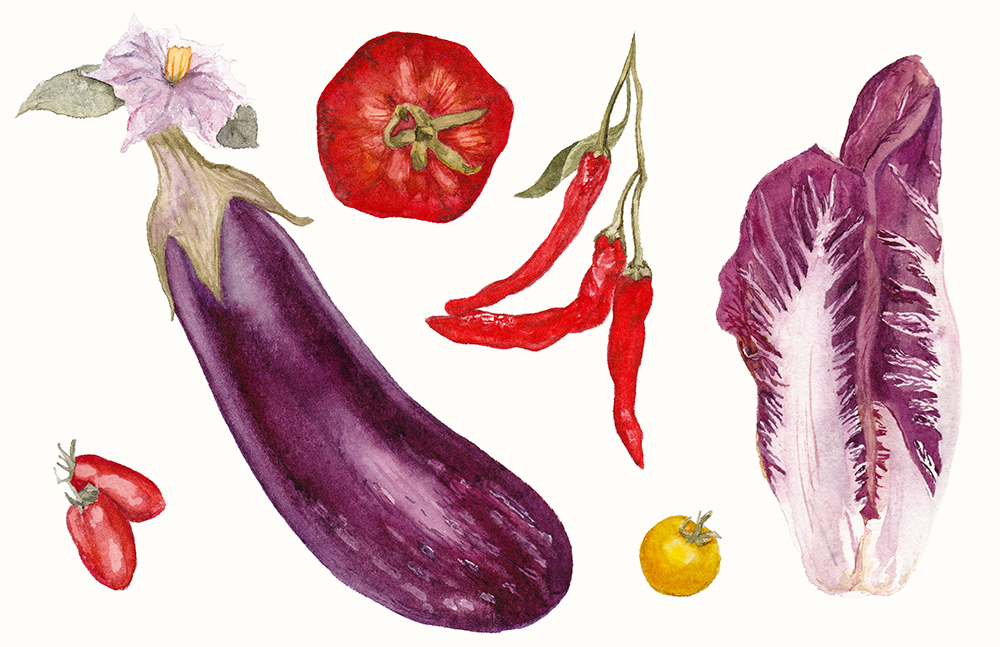
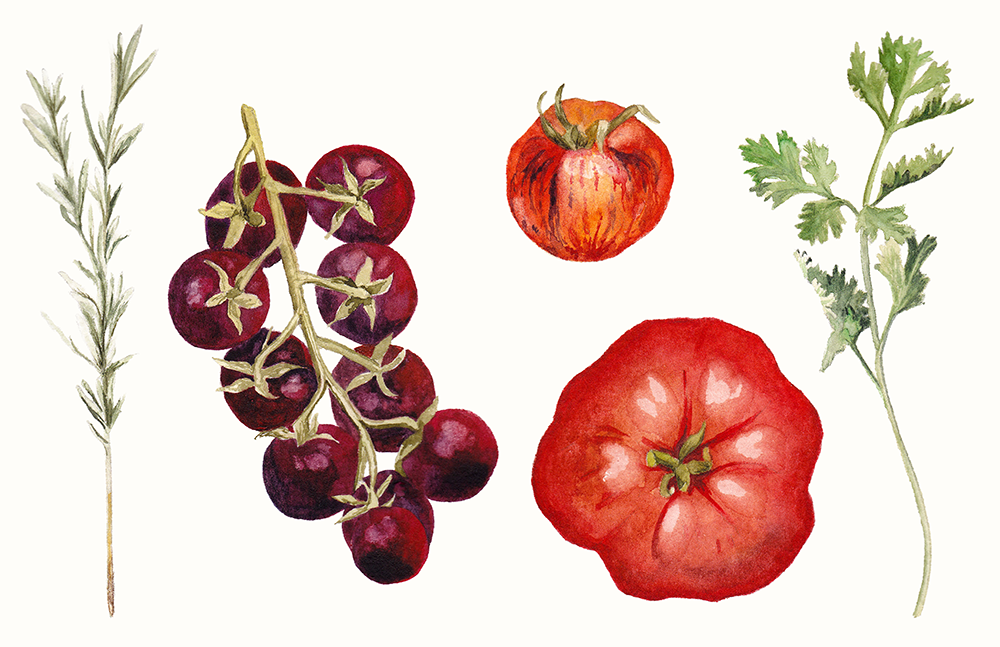
Tomatoes
Seed six to eight weeks after the last frost, usually early March to mid-April. The outdoor growing season for starting seeds is May 22 to June 15.
“Bar none, the most popular seed to plant, not just in our area, is the tomato,” McClure says. “Most people love a tomato, and if they don’t, they know somebody who does, so they grow them for other people.”
McClure says tomatoes mature in less than 80 days for the Reno-Sparks growing area, or around 70 days if you’re in the Lake Tahoe area. These are considered short-season tomatoes, which she says grow well in local environments.
Peppers
Seed eight to 10 weeks after the last frost, usually late February to early April. The outdoor growing season for starting these seeds is May 22 to June 15.
Even though it’s a similar growing season, McClure says, peppers take longer than tomatoes. This goes for any type of pepper, from sweet to hot varieties, as they all have the same basic growth cycle.
Herbs
Seed in late February to late March. When starting seeds, the outdoor growing season for warm-season herbs is mid-March to early May.
“Herbs are popular across the board because they’re easy to grow and they grow quickly, so you get a really nice return on your time investment,” McClure says.
Among the popular herbs in our area are parsley, cilantro, basil, thyme, and rosemary. (Read more about growing herbs in “Herb Your Enthusiasm.”)
No matter what you grow, McClure believes that gardening is a great activity that offers time together with loved ones (or time away from the stresses of life).
“It can be something that you either do one on one or that you can share with someone, either gardening in the same space or sharing your bounty from the garden and enriching someone’s life,” she says.
RESOURCES
The Master Gardeners’ Horticulture Hotline at the University of Nevada Cooperative Extension is a helpful source for home gardeners. For details, call 775-336-0265.
Visit the Reno office for master gardeners at 4955 Energy Way in Reno, or visit Extension.unr.edu.
More From This Issue
Party Like It’s 1927
Magic descends on Reno’s Idlewild Park, especially on summer nights. It’s lit by the diverse vendors at Food Truck Fridays,…