Sow What?
A guide to great (and unusual) produce you can grow this spring.
“Don’t plant until the snow is gone from Peavine,” local lore advises. So we bide our time perusing abundant seed catalogs, awaiting that elusive last frost. It’s anyone’s guess exactly when that will be.
This is Northern Nevada. A great place to enjoy the boundless beauty of nature. But dealing with its unpredictable late frosts, frequent dry spells, high-desert soil, wildlife, and bugs can make gardening here a considerable challenge.
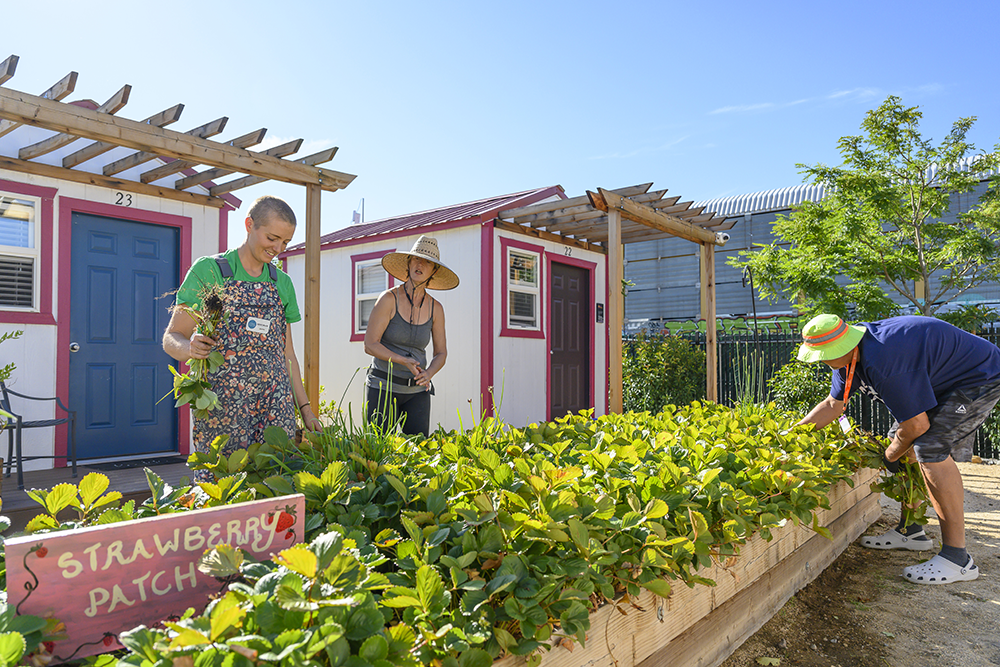
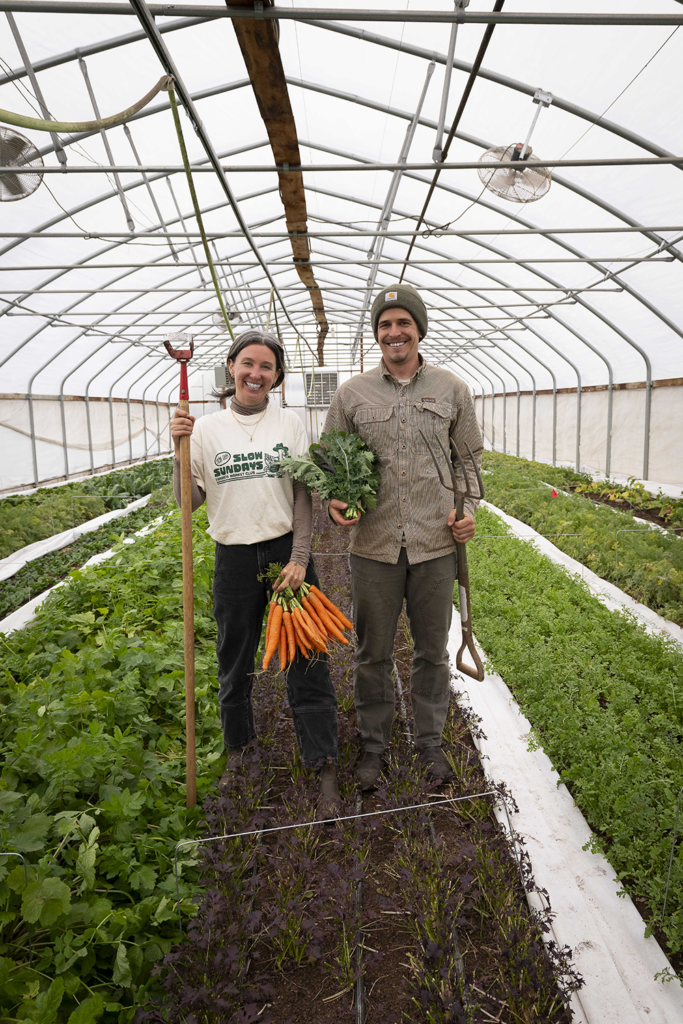
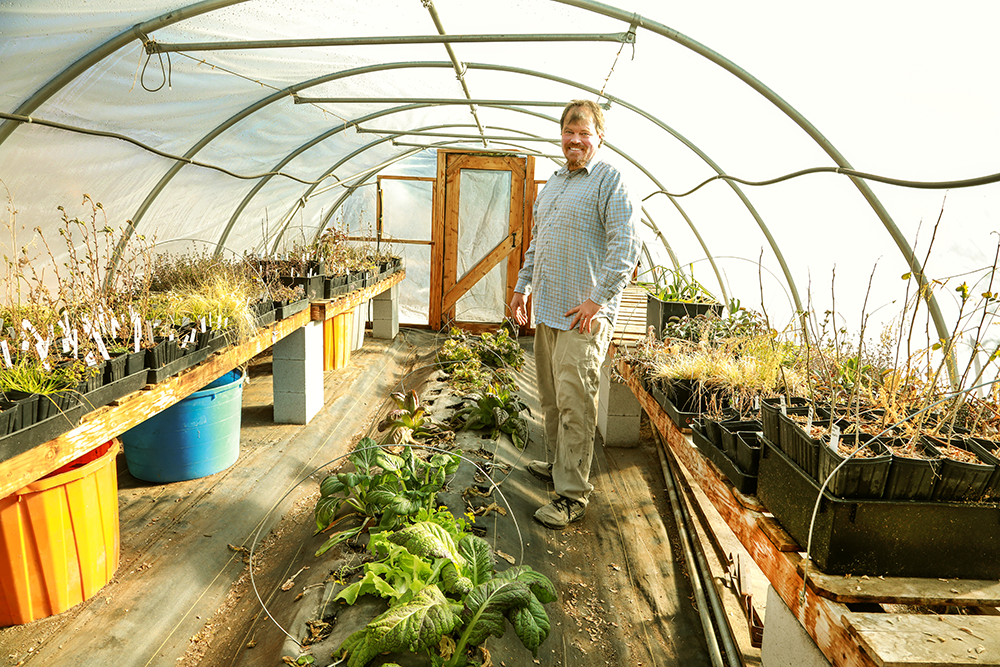
No one knows this better than Reno’s Neil Bertrando, owner of Steppe One Farm, RT Permaculture (a design and solution business), and board member of Reno Food Systems/Park Farm, a nonprofit dedicated to developing and enhancing local food productivity. He’s definitely the go-to guy when you need gardening answers and new ideas.
Wait Not, Want Not
While we often focus on annual summer vegetables when we plan our gardens, Bertrando suggests another approach. He says there actually are three gardening seasons in Northern Nevada — spring, summer, and winter. And each of these overlaps to some degree.
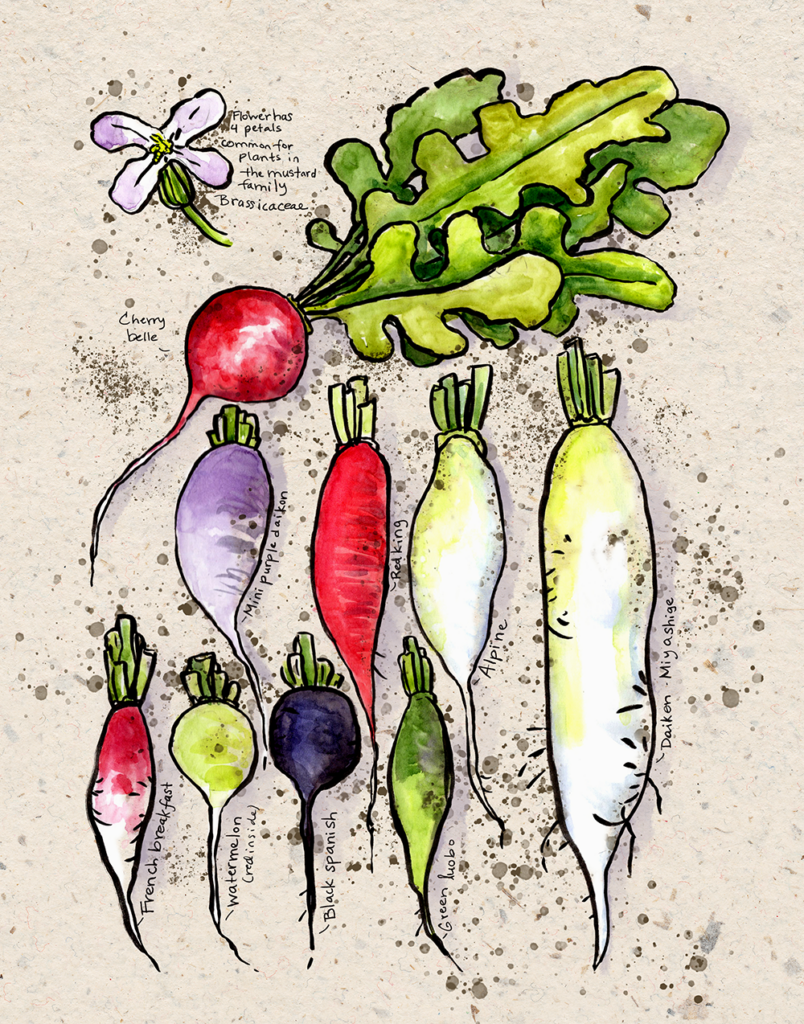
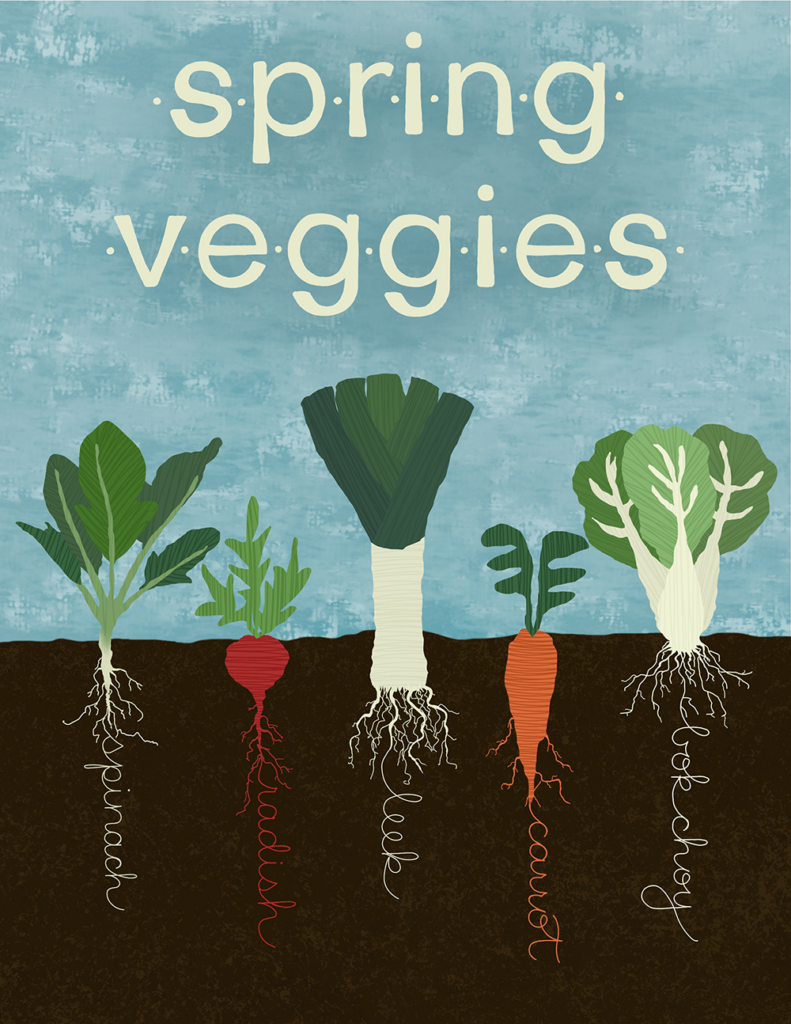
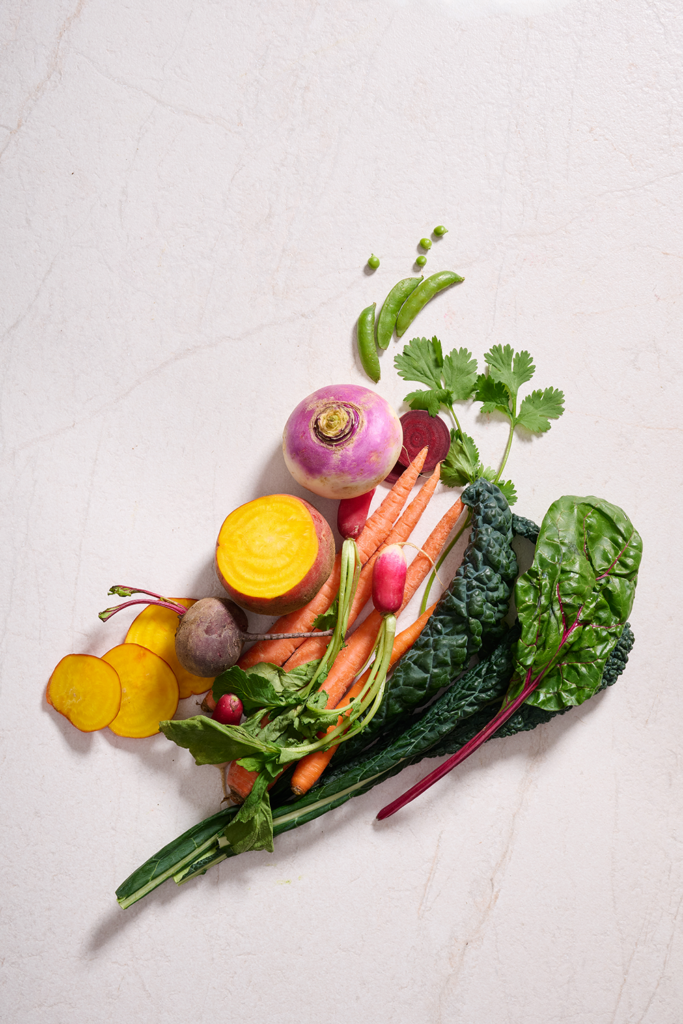
There are many frost-tolerant vegetables that thrive and grow in spring and can be planted long before the last frost, some as early as mid-March or April. According to Bertrando, this list is extensive — it includes beets, broccoli, Brussels sprouts, cabbage, carrots, cauliflower, horseradish, kale, lettuce, onions, parsnips, peas, potatoes, radish, spinach, and turnips.
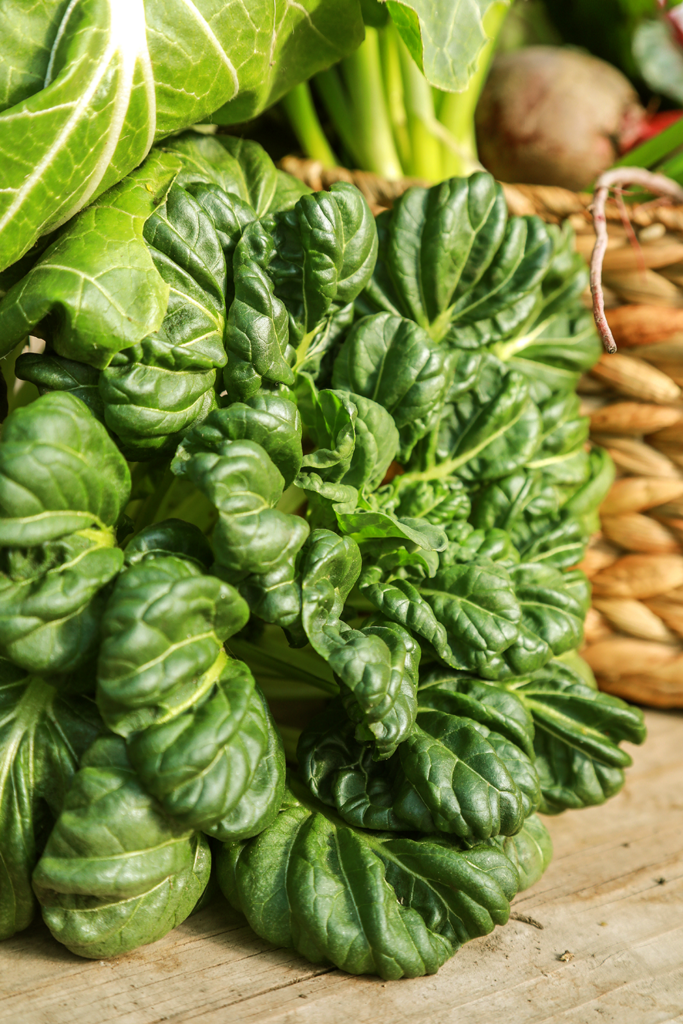
So why wait? Get busy planting some spring crops for early harvesting. Really want to make the most of your gardening year? In mid-August, replant your favorite cool-season spring crops for winter harvesting. (Tip: Kale — a great addition to salads, soups, and stews — is the gift that keeps on giving. It can flourish from spring through summer, fall, and even winter with little protection!)
“If the year is 365 days and your frost-free period of summer is only 90 to 100 days,” Bertrando says, “you can grow only a few things in that short period of time, but most of the frost-tolerant things most of the year.”
Play the Long Game
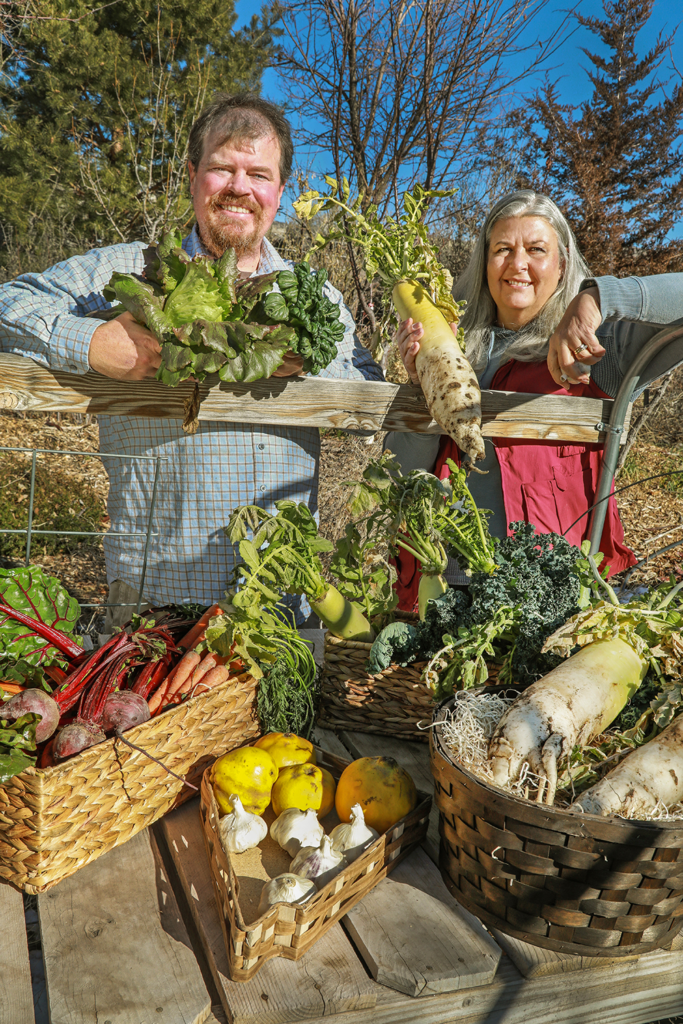
Why limit your summer garden to typical annual vegetables? Bertrando prefers planting perennials that will provide produce year after year. He suggests starting with red or gold fall raspberry andthornless blackberry bushes. They’re fairly easy to grow in sun or partial shade, easy to maintain once established, and consistently provide delicious fruit each summer. Leave the blackberries on the counter for a few days after picking, he says, and they’ll taste even sweeter!
Another good recommendation is a serviceberry bush: a prolific producer of small, super-sweet red berries that make great jams, crisps, and pies, if you can keep the birds and children from eating them all first.
The Crandall variety of clove currant, or Ribes odoratum, is a phenomenal berry with a lovely scent, Bertrando says. It’s relatively small in stature but yields large, delicious berries that grow in easy-to-pick clusters and stay ripe on the bush for months. They’re great for pies and jams, and they’re sweet enough to eat right off the bush.
Notably, Bertrando says to forget about growing blueberries. As much as you might like them, fact is, blueberries don’t like our elevation or lack of humidity.
A familiar perennial favorite to consider is grapes. They grow on vines, so they need objects to climb, but they grow well here and will provide you with a table-ready treat, and there are many varieties that can be processed into jellies or even wines, if you’re adventurous enough to go that route.
And don’t forget the perennial veggies: Asparagus, once established and routinely watered, yields beautiful, tender spears each spring. Rhubarb, a tart vegetable with an edible stem that’s usually treated like a fruit, makes fabulous jellies and pies.
As a reminder, grapes can be toxic for dogs, and rhubarb leaves are toxic for both humans and pets.
A Shady Proposition
If you have the room for fruit trees, Bertrando suggests they are a great addition to a yard for their shade, temperature moderation, aesthetic beauty, and, of course, produce. Bertrando cautions that, in our climate, not every fruit tree will bear fruit every year. You can increase your odds by making sure you choose late-blooming varieties.
Apples and European pears will produce fruit most consistently. Bartlett pears, in particular, are a good bet because they have a second flowering, he says. So even if you have a late frost killing the first bloom, you’ve got a good chance of getting fruit from the second one.
Asian pears and European plums are the next in terms of being prolific. Green-gage variety plums are small but nicely sweet and have done well in this area, as have Santa Rosa plums.
Peaches and cherries can have hit-or-miss years as far as yields go. Much depends on the particular microclimate where you live. But when they have a good year, it’s well worth the wait. Few summer experiences are better than enjoying a sweet, juicy, sun-ripened peach or cherry right off the tree.
Summer’s Bounty
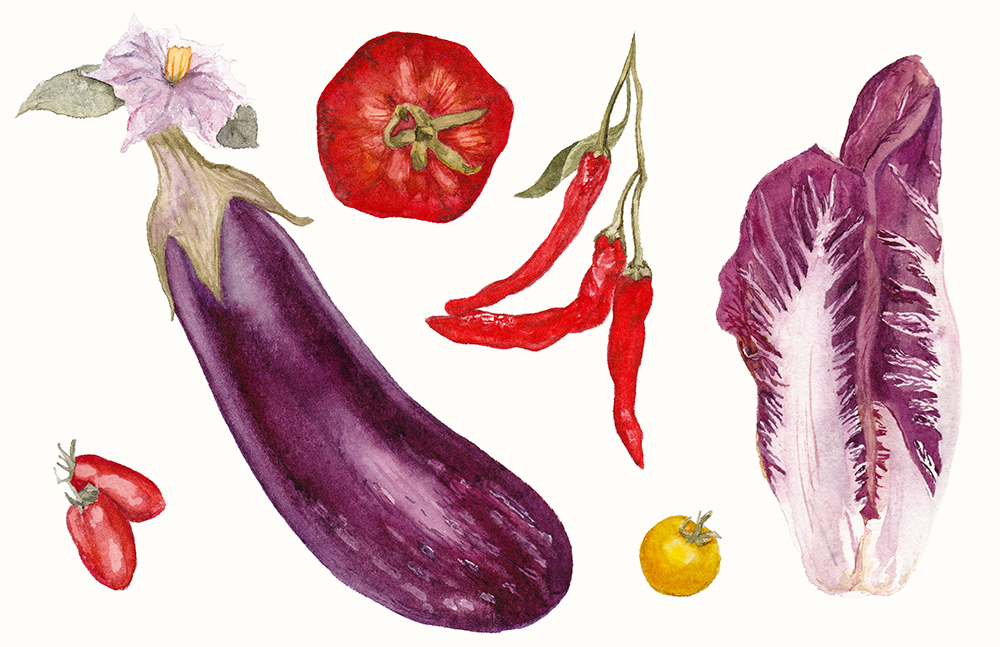
Now let’s discuss our traditional summer gardens, which feature frost-sensitive annual vegetables. The most popular of these are tomatoes, squash, beans, peppers, and eggplant — all of which do well here. To ensure a successful bounty from these, Bertrando says, most importantly, you should make sure to select short season varieties that yield produce in under 90 days, preferably within 70 or 80 days. How to tell? It will be indicated on the seed packet or the tag that accompanies your plant.
If you’re looking for a different plant to add to your usual fare, try kohlrabi, a relative of kale that has a broccoli-stem taste. Tomatillos are easy to grow and add great flavor to Mexican dishes.
Squash comes in so many varieties, why not branch out? Winter varieties such as delicata, acorn, spaghetti, and butternut squash all have an 80- to 90-day growing range suitable for this area. (An added bonus of winter squash is that it can be stored for many months in a cool environment, such as a shed or garage, to create wonderful fall and winter dishes.)
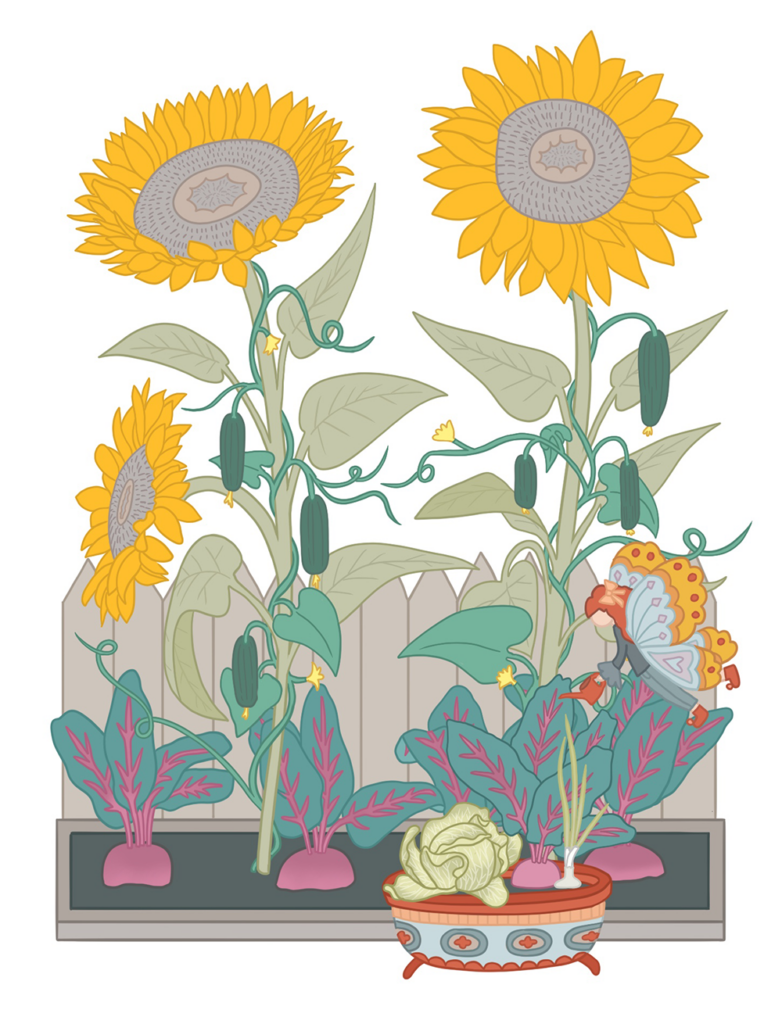
Get creative with cucumbers by trying unique varieties. Lemon cucumber’s size, shape, and yellow color when ripe resembles a lemon in appearance, hence the name. Its flavor is just like that of a traditional cucumber but lighter and less bitter.
Bertrando recommends a variety called dragon’s egg cucumber. It’s shaped like an egg, about 2 to 4 inches in length, and has a sweet-tart flavor similar to apples and melons. It ranges in color from green to yellow or even a slightly purple hue on some varieties.
Armenian cucumbers are fabulous to grow and have a wonderfully mild flavor and tender rind, and they can grow to a huge size yet never taste bitter. Despite their name, they’re actually in the melon family. In fact, when sliced, they emit a scent slightly reminiscent of cantaloupe.
And speaking of cantaloupes, they do well here, too, as do watermelons. Select short-season varieties and warm, sunny locations for best success.
Let’s Get Herbal
What cook wouldn’t love to walk outside and pluck fresh herbs from the garden whenever the need arises? The flavors, the scents, and the potency can’t be matched by anything powdered that sits in your cupboard.
Now is the time to set aside a convenient spot to plant your favorite herbs. Start with those you use often, including those named in a memorable song: parsley, sage, rosemary, and thyme. Luckily, the last three, plus oregano, actually are perennials that can survive year-round in a slightly protected location.
Stacy Fisk of Fisk Farm Herbs in Fallon grows more than 75 different varieties, including many unusual ones. She sells her seedlings and rhizomes at various local venues from April 1 – May 31 (check her website for dates and locations).
All herbs grow well in this area, Fisk says. Some are frost-sensitive annuals, which can be self-seeding and will return the following spring, with a little TLC. However, Fisk prefers perennial herbs because they require less care once established.
The amazing aspect about herbs, she says, is that so many of them do have both culinary and medicinal properties. Most people don’t think of herbs as the nutritional and healing powerhouses that they really are. (Read more about growing herbs in “Herb Your Enthusiasm.”)
Basil is a perfect example. This culinary staple actually is part of the mint family, the same family as other nutrient-dense herbs such as rosemary and oregano. Basil comes in a whopping 35 varieties, all with different colors, scents, and flavors, including lemon, cinnamon, chocolate, purple, Thai, Greek, and so on. Italian basil is the most common cooking basil. It’s full of antioxidants, vitamins, and magnesium.
Fisk’s perennial favorite includes lemon balm (Melissa officinalis), which is another member of the mint family that is widely studied for its effects on every condition from anxiety to insomnia or cognitive ability. Its leaves and extracts actually are used to make many supplements found in pharmacies and health stores today. Sounds like a steaming cup of lemon balm tea might be worth a try. (Hint: Like mint, lemon balm should be planted in a container rather than in the ground to keep it from taking over your garden.)
Double Duty
Flowers can be a fabulous addition to your vegetable garden for multiple reasons. First, their beauty brings visual enjoyment that uplifts our spirits. They also attract beneficial insects and important pollinators, which will help your garden flourish and increase productivity. But they can do so much more.
For example, the beautiful flowers of echinacea, aka coneflower, can be used to treat colds and infections. To make your own echinacea tea, you can use dried or fresh echinacea roots, leaves, or flowers.
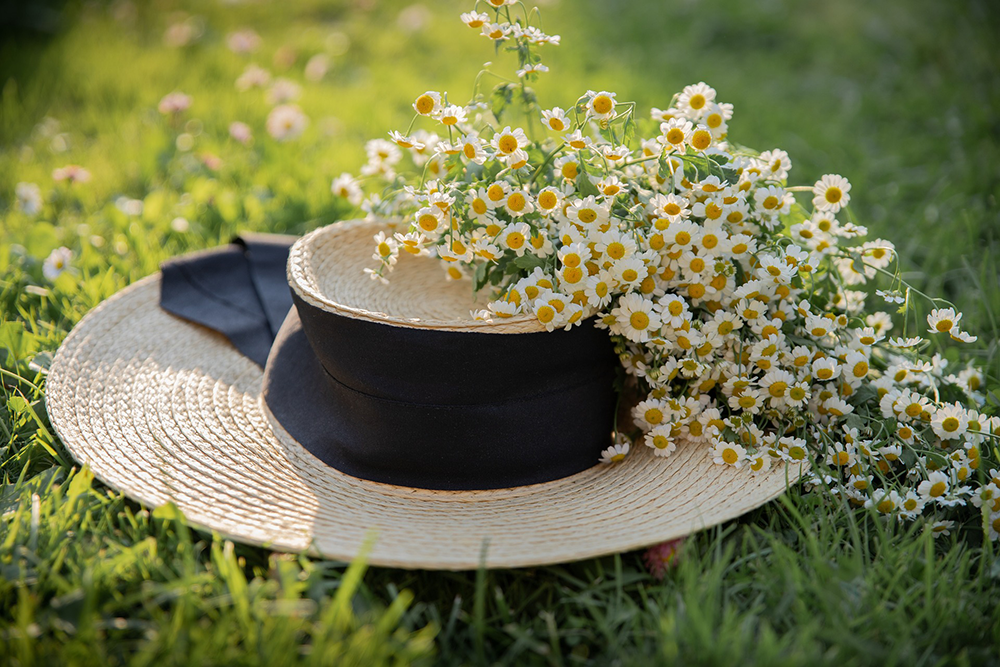
Many flowers also are edible, nutritious, and even quite delicious. Begonia, calendula, carnation, and rose petals; lavender buds; flowers of chamomile, pansy, violet, bachelor’s button, chive, thyme, arugula, cilantro, borage, and many more all are edible. You can toss them in a salad; use them to decorate your cakes, cupcakes, and side dishes; float them in beverages and cocktails; freeze them in ice cubes; or steep them in hot water to make teas. Your imagination is the limit.
Squash blossoms are a true delicacy. Gently remove them from the plant (making sure there’s no bee inside — ouch!), stuff the blossom with a mild cheese, coat with flour batter, and fry it up for a tasty side dish. There are literally scores of wonderful recipes for this tender, delicate flower to be found on the internet.
Importantly, make sure to only consume edible flowers that haven’t been treated with any pesticides.
Some flowers also serve an additional, important purpose. They act as a pest-resistant companion plant that protects your primary crops. (Read more about companion planting in our story “Garden Companions.”)
The same gorgeous, vibrant nasturtiums that provide a nice peppery zing to your salad are effective deterrents to those dreaded squash bugs when planted around your zucchini, pumpkin, and cucumber plants. Petunias also ward off aphids, tomato hornworms, and squash bugs. (You’re welcome!)
Signet marigolds are another easy-to-grow edible plant that does a great job attracting beneficial insects and warding off destructive ones. Bee balm really attracts bees, butterflies, and hummingbirds, but it acts as a deterrent for mosquitos as well.
We’ve only just scratched the surface. This list is by no mean exhaustive, but hopefully you’re inspired to go dig out those plant catalogs and start planning!
RESOURCES
Neil Bertrando has an amazing wealth of knowledge to share. Get started at Rtpermaculture.com/resources.
Fisk Farm Herbs will hold educational events and herb sales in May. For details, visit Fiskfarmherbs.com.
More From This Issue
Party Like It’s 1927
Magic descends on Reno’s Idlewild Park, especially on summer nights. It’s lit by the diverse vendors at Food Truck Fridays,…