Raising Food
4-H teaches invaluable lessons.
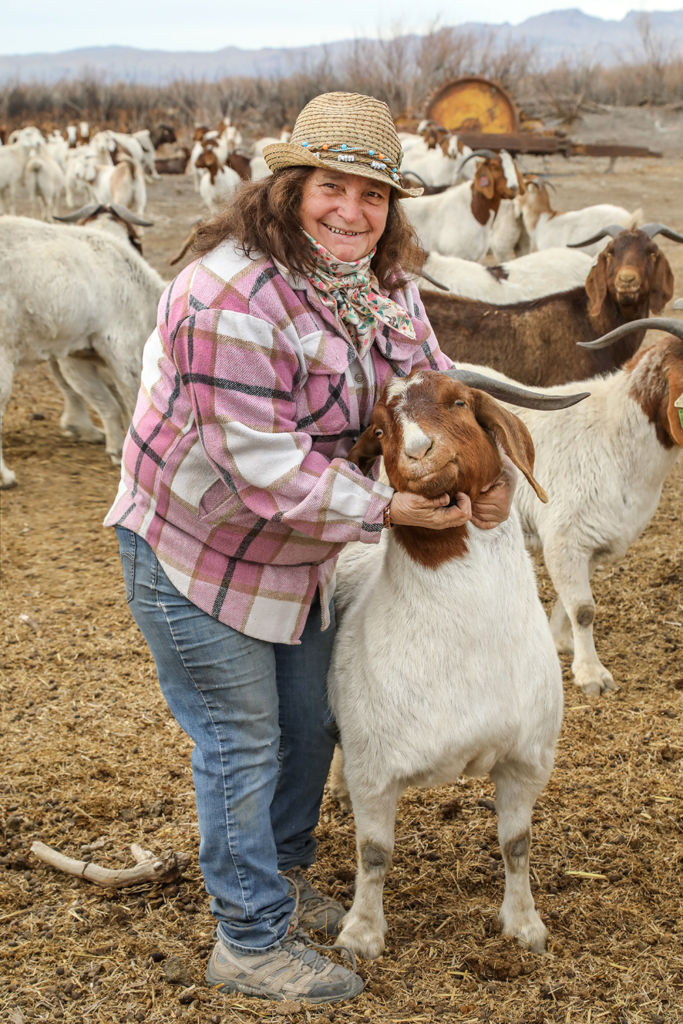
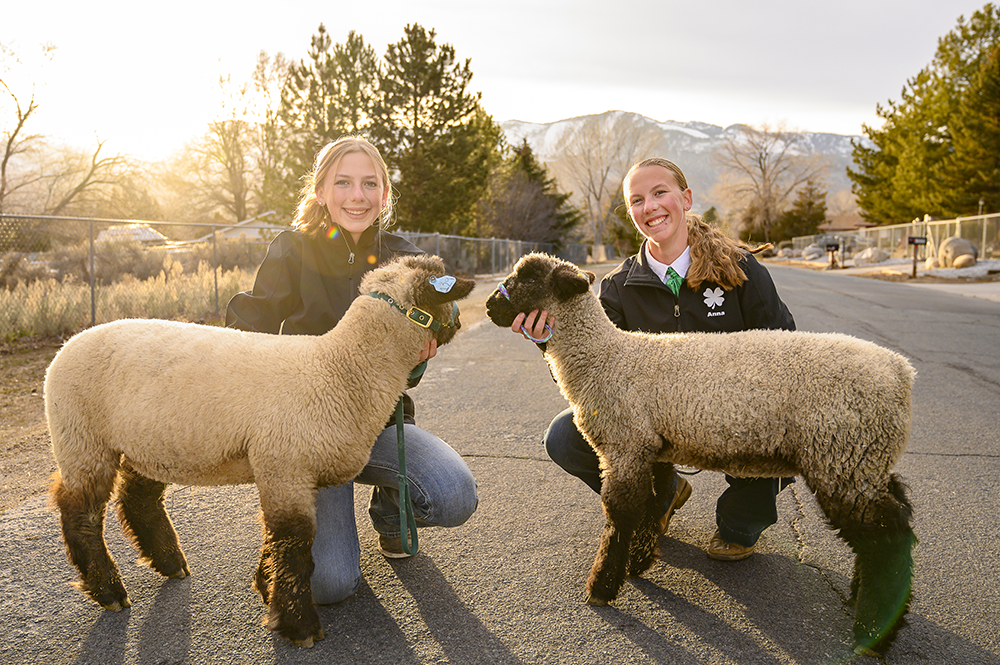
Before heading to school each morning, Anna and Gracie Shane are out in the brisk morning air filling troughs with food and water for their lambs. At 16 and 14, respectively, the Carson High School sisters have responsibilities that extend well beyond homework and after-school activities. Through 4-H, America’s largest youth-development program, they are raising animals destined for the local food system — and learning invaluable lessons about agriculture, community, and hard work along the way.
Started as an after-school agriculture club for rural youths in Clark County, Ohio, 4-H slowly grew into a national program that now offers extracurricular opportunities for more than six million youths, in subjects ranging from robotics and coding to gardening and cooking.
For Anna and Gracie, 4-H is a family affair; they’re third-generation participants. They started raising chickens for eggs and to show in the judged 4-H competitions.
“We learned all about the different breeds, and we started making layer selections, not only on their egg-production abilities, but also what we think would do well at the show in terms of quality,” explains Anna, who has been involved in 4-H for seven years.
From there, the girls began raising turkeys — which require more “babying” as young poults, Anna adds — before trying their hands at rearing lambs. Along the way, 4-H leaders offer workshops and educational activities to help participants learn how to care for and understand their livestock.

“I think one of the most rewarding things is the companionship you can achieve with other people within your club, within your county, within your whole 4-H community,” Gracie says. “There is a 4-H camp that I attended, and I got to meet so many great people. I’m so glad that they offer that opportunity because I believe it helps so many people make new friends and get more leadership opportunities.”
Growing up while raising their own animals also has shaped how they view food, both girls agree.
“The first year that I raised lambs, it was definitely a little bit of a sad goodbye, but, ultimately, when you put in the work to raise this animal that somebody else is going to enjoy as their dinner, it is honestly one of the best feelings,” Anna notes. “I really do think that my perspective on what I would find at the grocery store has changed. Raising our own animals definitely contributes to my want to support other local farmers and producers.”
As Anna prepares to go to college in two years, she is considering an agriculture-based job — or, at the least, keeping her dream of a hobby sheep farm alive.
For their mother, Tracy, 4-H and raising animals were influential parts of her youth, too. And she believes the community connection is crucial for raising healthy, well-rounded children.
“There’s so much literature out there on how important it is for kids to connect not only to other kids but also to their community in terms of their mental health, their physical health, and their overall well-being,” Tracy explains. “And they are such incredible contributors to our community. Our whole community suffers if kids don’t get involved in it!”
In Nevada, 18 county 4-H programs are administered by the University of Nevada, Reno’s Cooperative Extension. To find your local 4-H program, visit Extension.unr.edu/4h or search through the national website, 4-h.org.
More From This Issue
Party Like It’s 1927
Magic descends on Reno’s Idlewild Park, especially on summer nights. It’s lit by the diverse vendors at Food Truck Fridays,…