Herb Your Enthusiasm
Aromatic botanicals fit for the Sierra.
The high desert can be a gardener’s dream when proper growing techniques are followed, and many herbs flourish both indoors and out in Reno-Tahoe. Megan Andrews, commercial horticulture program coordinator at the University of Nevada Cooperative Extension in Reno, and Stacy Fisk, herb farmer at Fisk Farm Herbs in Fallon, share a fondness for the almighty herb.
In 2017, after Fisk had been farming for more than five years, she took a class through the Chestnut School of Medicinal Herbs, a 1,000-hour herbal immersion program, during which she built her own apothecary and herb garden. Working alongside her family, she launched Fisk Farm Herbs, a venture that has quickly blossomed into a thriving family business. Using herbs and honey produced on the family’s own land, the farm’s signature Honey Shrubs line blends raw honey with apple cider vinegar for naturally health-focused products.
“The No. 1 benefit to herb gardening is the peace of mind you get,” Fisk says. “There’s a stress relief that comes from nurturing these plants and watching the whole process. When you actually get to use your product, whether it’s eating it or making a salve, tea, or tincture, that’s where the true connection with Mother Earth comes in, and it’s very powerful.”
Andrews appreciates the care and intention that go into gardening. She educates gardeners of all ability levels, from beginning to seasoned, each year through the extension.
“We have a lot of people moving into the area,” she says, “and while they may have a green thumb where they’re from, you have to be more thoughtful if you’re not used to the diminished water supply and microclimates here.
“Most things can grow here as long as you look into the care,” Andrews adds. “If you want to grow herbs, I would say, pick things you’re actually going to use at first. Think about how you’ll use them, and look into that plant’s specific watering needs. If you’re starting an herb garden, or any garden, we tell people to group plants by watering needs, so those that really like wet soil aren’t around those that don’t. Soon, they’ll have more herbs than they know what to do with.”
Andrews and Fisk agree that readers can be successful growing most herbs in this area, and here they share a few standouts to try.
Mint
Mint is a high-desert garden workhorse. It’s cold hardy, fast growing, and ideally suited to Reno-Tahoe’s sunny days and cool nights. Andrews encourages gardeners to give the many types of mint a try, but she warns never to grow it directly in the ground.
“It grows like a weed, and you’ll end up having to rip it out from under concrete,” she says.
Cilantro
Cilantro prefers cooler spring and fall temperatures, growing quickly and flavorfully before high-desert heat sets in. Andrews suggests planting this multifaceted herb, but she adds that it grows quickly both inside and outside and bolts in summer heat, often reseeding itself from coriander for future harvests.
Chamomile
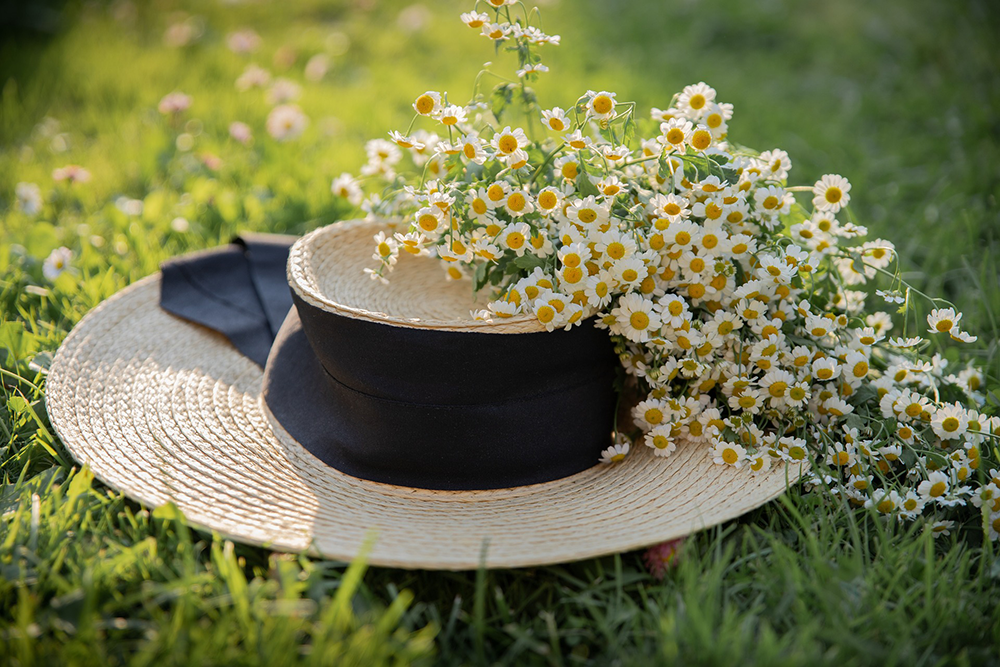
Both Fisk and Andrews say chamomile, another reseeding herb, is one of their favorites.
“Everybody should be growing chamomile at some point in time because it’s just an overall great herb to always have in your pantry or in your little home apothecary,” Fisk explains.
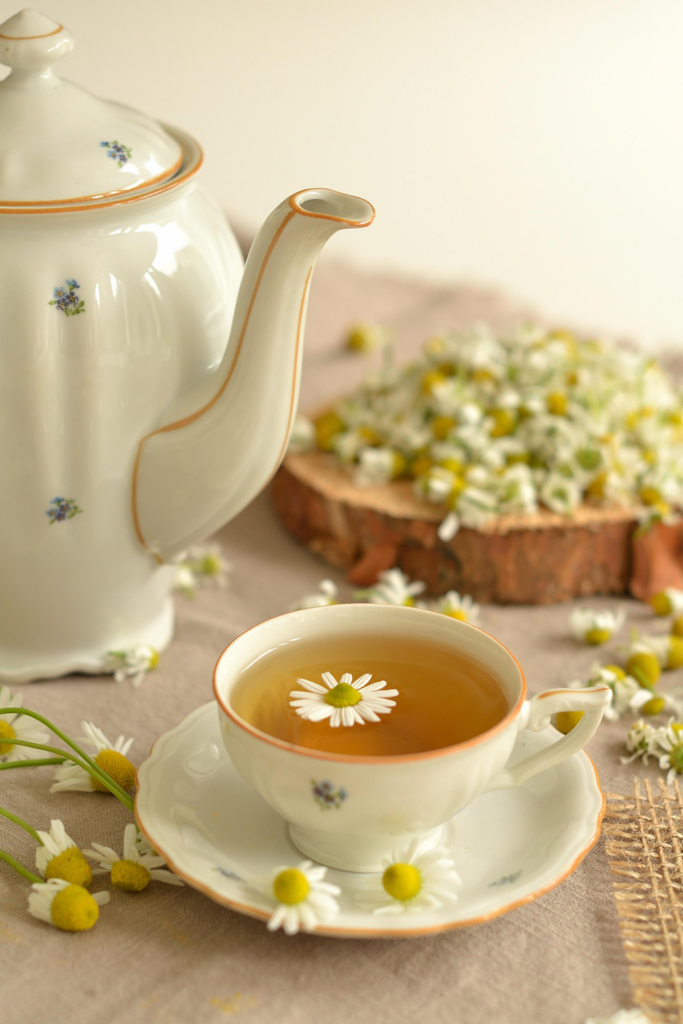
Thriving in well-drained soil with minimal fuss, once established, chamomile is drought tolerant and rewards gardeners with delicate blooms perfect for making calming teas.
Tulsi
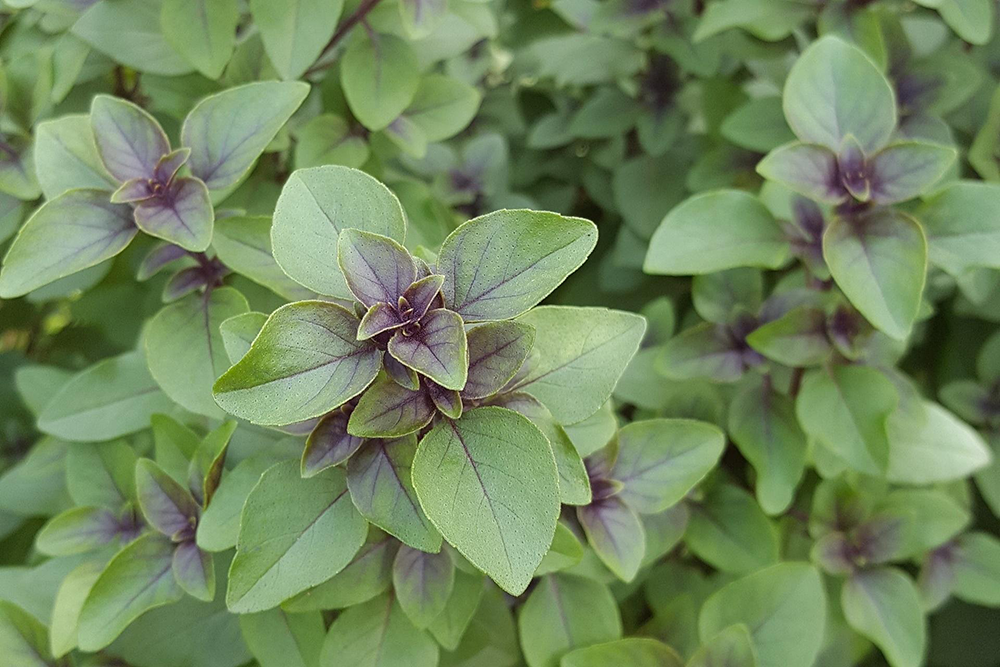
Fisk recommends tulsi, also known as holy basil, because it grows well when planted after the last frost and if given full sun and warmth. It grows quickly, offers a steady harvest through summer, and is prized for its aromatic leaves and traditional wellness uses.
Skullcap
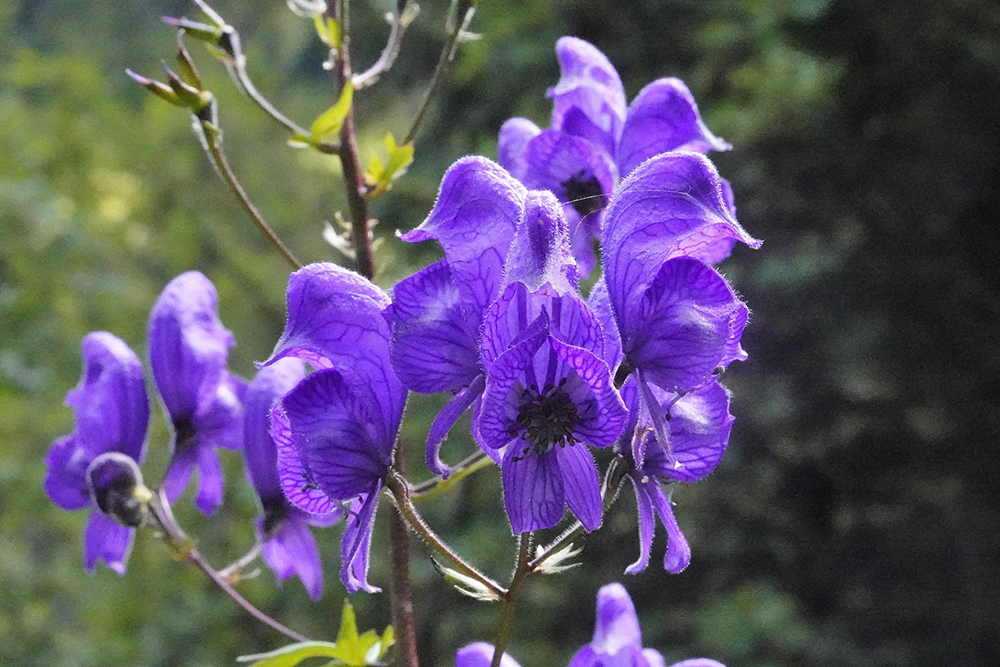
Skullcap gets its name from its small, helmet-shaped flowers that resemble tiny medieval skullcaps once they bloom. Fisk says what makes it special is its long history as a calming herb, traditionally valued for easing stress and supporting the nervous system while quietly adding beauty to the garden.
Tips for a Thriving Herb Garden
- Plant in raised beds and potted gardens. The area’s natural soil often is not conducive to growing herbs.
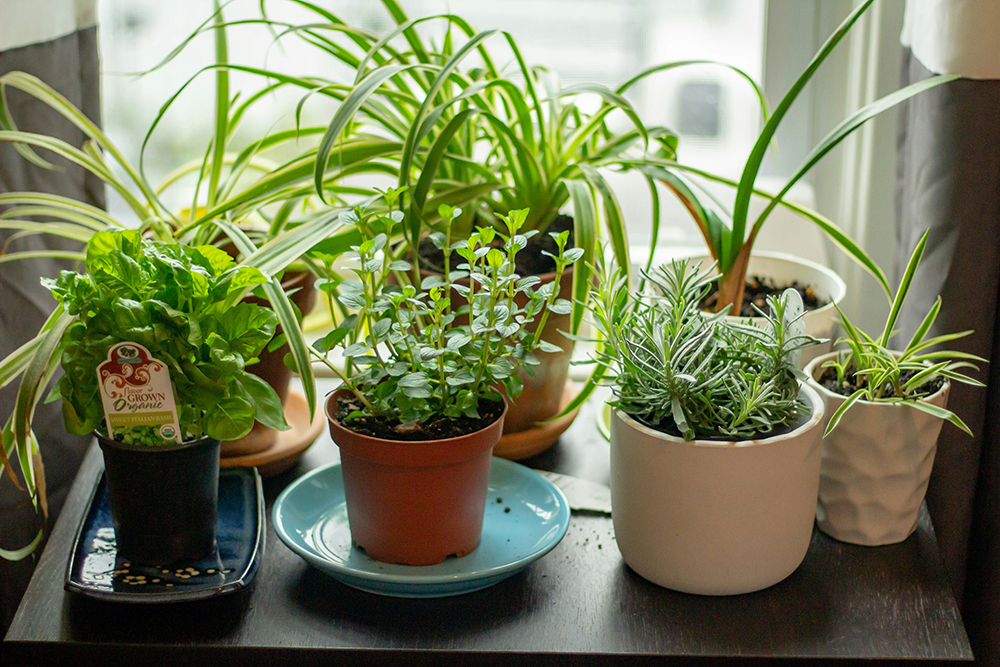
- Consider growing indoors. Basil, catnip, cilantro, rosemary, sage, and geranium all grow well in temperatures between 50 and 70 degrees.
- Water. Soil. Sunlight. All three matter and affect how plants grow. For each herb, be mindful of this trifecta.
- Pest control is a must.
- Attend virtual Grow Your Own classes through the UNR extension. Starting in April, topics will include Gardening on a Budget, Basics of Soil, Container Gardening, Seed Saving, and more. Visit Extension.unr.edu/events to register.
Start from the Seed
One of the biggest pieces of advice Fisk has is to learn the process from beginning to end by growing each plant from seed.
“Knowing what the seedling looks like, then the plant, and the end product that you harvest is very important,” she notes. “When you grow from seeds, you understand the whole process, and it helps when clearing out weeds in the spring because you know what the baby herbs look like.”
RESOURCES
Fisk Farm Herbs
Fiskfarmherbs.com
For details about Honey Shrubs, the farm’ssignature shrubs (concentrated drinking vinegars) made with the farm’s herb and honey produced in its apiary, visit Honeyshrubs.com.
University of Nevada Cooperative Extension
For details about programs, events, demo gardens, and contacting a master gardener, visit Extension.unr.edu.
More From This Issue
Party Like It’s 1927
Magic descends on Reno’s Idlewild Park, especially on summer nights. It’s lit by the diverse vendors at Food Truck Fridays,…