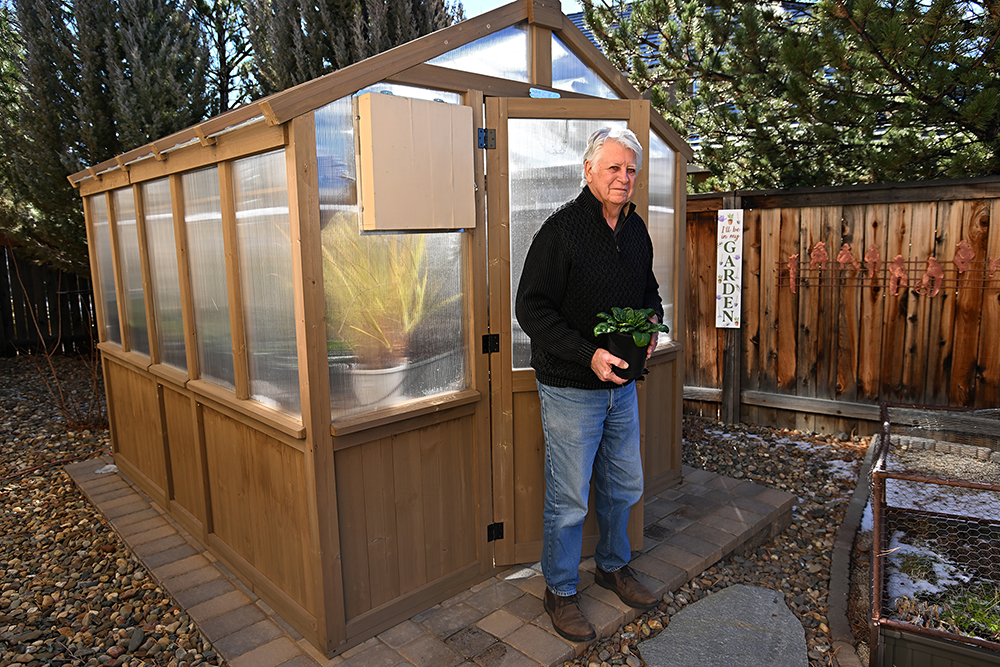
Growing Greenhouse
Growing year-round at home is within your reach.
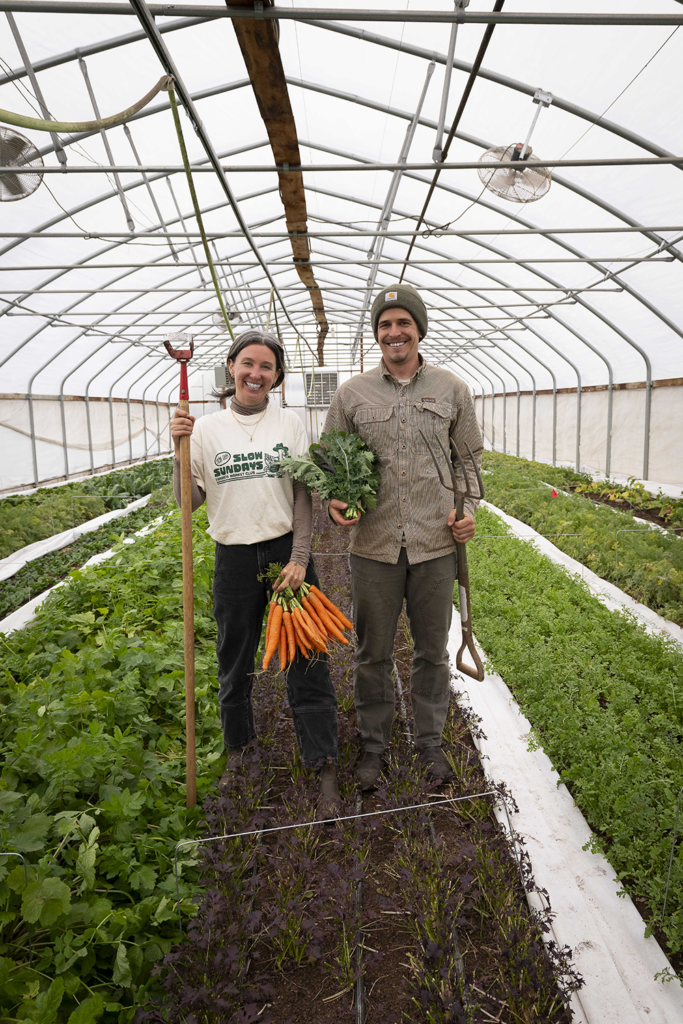
Taking the leap from growing plants and vegetables outside to utilizing a greenhouse isn’t insurmountable. With the right type of planning, it is a home-improvement project that can be fulfilling, both to your green thumb and at the kitchen table.
We received sound advice from two local experts on building a greenhouse on your property: Ken Gerhart of Reno, who owned and operated Greenhouse Vegetable Consultants for 20 years, and Jacob O’Farrell, owner of Thriving Roots, a Silver City, Nev.-based company that constructs greenhouses.
Planning for Success
When deciding where to place your greenhouse, Gerhart suggests you choose an area that receives maximum sunlight and has some type of flooring.
“You don’t want to be on dirt or gravel,” Gerhart says.
Another essential is 110-volt wiring for climate-control systems. It’s also important to check with your homeowners’ association, if applicable, to see what rules it has for greenhouse structures on your property, he advises.

O’Farrell says that deciding on the timeline for plant growth is important. Do you want to grow year-round or spring through fall? Budget also is a big consideration to square away early.
“The structures range from very basic and affordable to tempered-glass covering and automation, so there’s a very wide range of options,” O’Farrell says. As for that budget, O’Farrell says a standard estimate is $10 to $15 a square foot for a low-tech greenhouse, or up to $50 or $60 per square foot for a structure that’s more high tech. Gerhart says a range of $5,000 to $7,500 for an 8-foot-by-10-foot greenhouse would be the most likely budget.
What to Plant
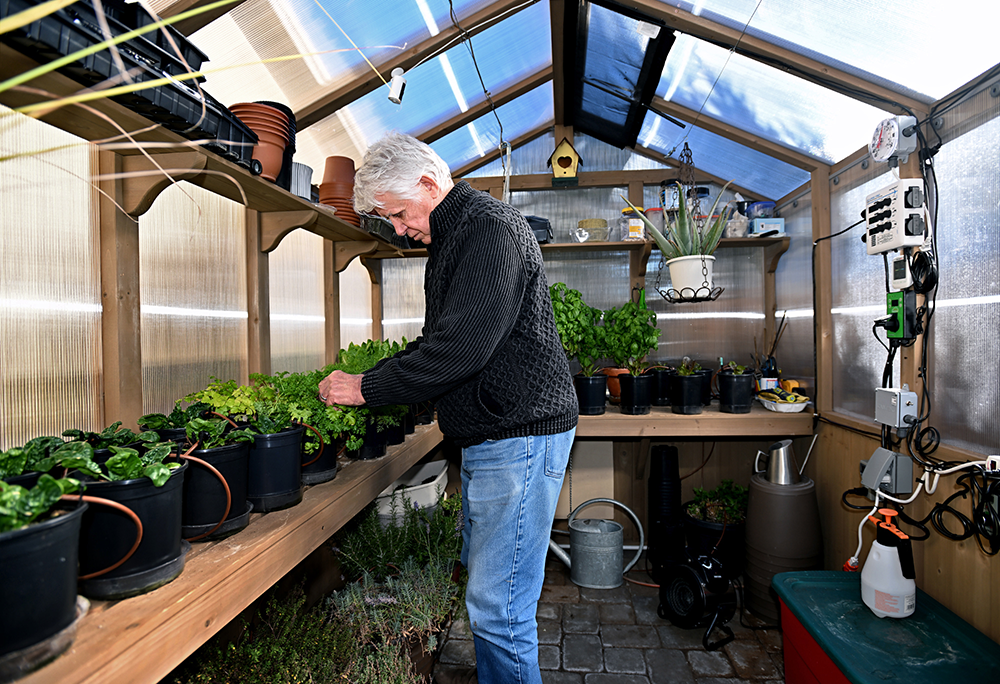
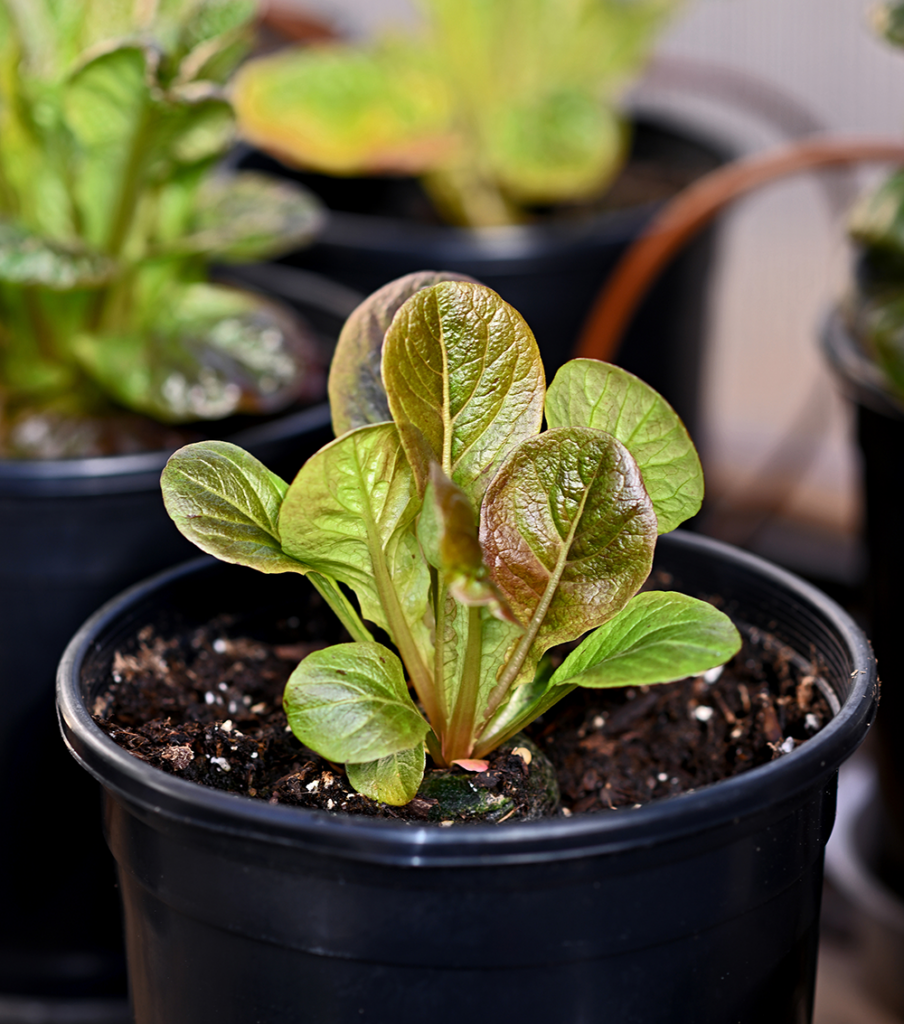
Both men agree that tomatoes and cucumbers are ideal for greenhouse growing, as well as herbs such as basil or cilantro. In his home greenhouse, Gerhart also grows a lot of leafy greens.
“Something like lettuce or spinach can take it when it’s 28 degrees, so you don’t have to put a lot of heat in the greenhouse to run a crop year-round,” he says. “And I’ll take the lettuce out in the spring and put in tomatoes and cucumbers in a more controlled environment, where the wind won’t beat them up. I can keep the temperature at 75 degrees when it’s 100 outside, and that’s a big thing, I would think, in Nevada.”
Risk Factors
O’Farrell points out that protection against the area’s winds is crucial.
“I’ve seen a lot of people who have a problem coming up from building it too cheaply and having it blow over, so you need to give proper consideration to what the weather is like where you live,” he says.
Both he and Gerhart also emphasize the importance of pest control.
“It’s an ideal environment for the pest, both winter and summer,” Gerhart says, adding that aphids and whiteflies are the most commonly problematic. “They can develop very quickly in a greenhouse.”
O’Farrell adds that building a greenhouse in the desert, which creates an oasis for plants to grow, also is a magnet for rodents and other pests.
“They are going to be attracted to the warm, humid environment, and it can be a big food source for them, so you need to take precautions,” he adds.
Growing Time
To produce a good crop in a greenhouse, it takes about 10 to 15 hours a week of checking and maintaining, according to O’Farrell.
“It can be a couple of hours in the evening working with the plants, doing pruning or pest control, fertilizer applications, that kind of thing,” he says.
Gerhart spends time each day in his own greenhouse, but he also is comfortable leaving it alone if he’s out of town or on vacation, especially since he can monitor temperatures with an online camera he installed inside.
“It does depend on what you’re growing, and if you are having any issues out there, but I just go to it every day because, you know, it’s in my DNA,” Gerhart says. “But if you skip a day, it’s not critical.”
For details about adding a greenhouse to your home or business property, visit Thrivingrootsnv.com.
More From This Issue
Party Like It’s 1927
Magic descends on Reno’s Idlewild Park, especially on summer nights. It’s lit by the diverse vendors at Food Truck Fridays,…