Kimchi Craze
A spicy staple worth mastering at home.
Foundational to Korean cuisine and culture, kimchi brings an unmistakable zing to any dish. Its global popularity has sparked countless variations and creative uses.
While it may seem a little intimidating, making kimchi at home is surprisingly simple. With a few ingredients from your local Asian market, fermentation and time do the heavy lifting, delivering bold flavors and health benefits.
“Kimchi is rich in probiotics that support your gut microbiome,” says Matt Soter, owner and “Chief Preservation Officer” at Nevada Brining Co. in Sparks. “The lacto-fermentation process helps reduce inflammation and can boost your immune system.”
We asked local experts to share tips for making and storing kimchi at home, plus tasty ways to use it.
Keys to Great Kimchi
TJ Cho, co-owner of Arario, the Korean-fusion restaurant in Midtown Reno, believes the base ingredients make all the difference.
“Use the best quality gochugaru (Korean chili powder) and Korean sea salt,” he says. “Allow at least one to two days of fermentation, or ripening, at almost room temperature.”
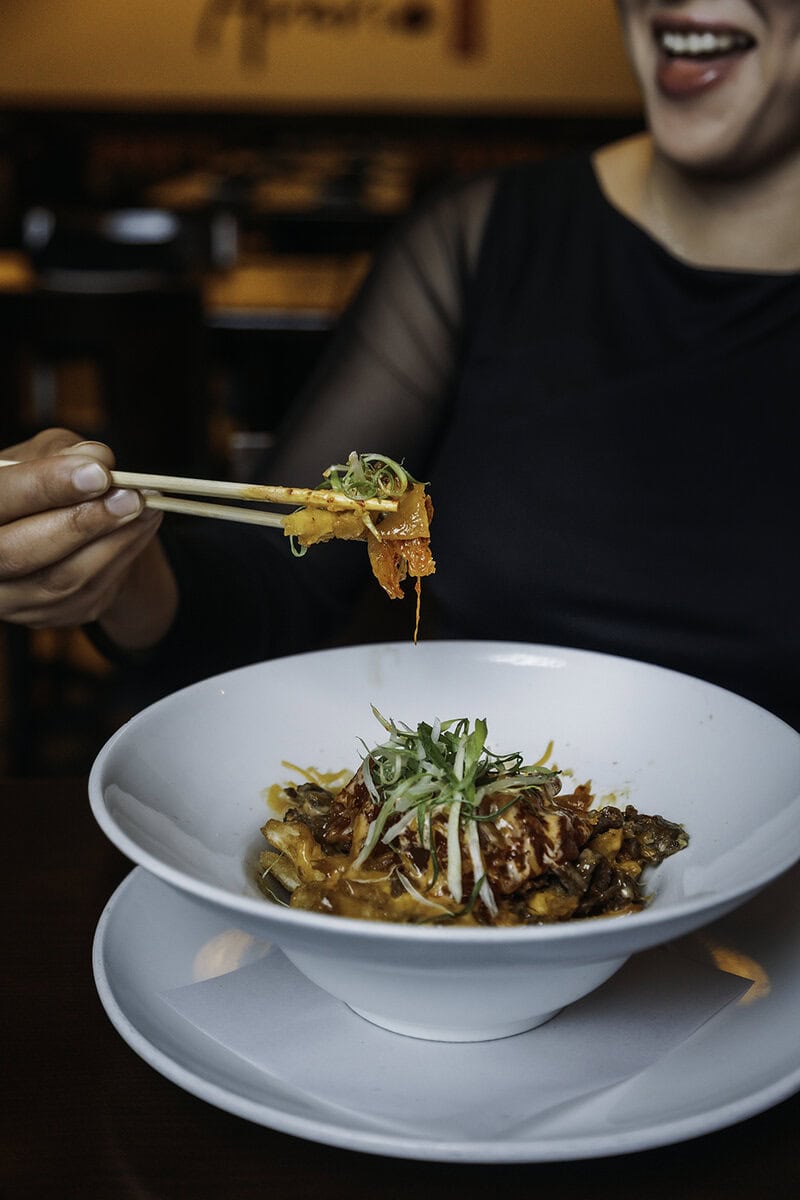
Cho’s wife and co-owner, chef Hani Cho, incorporates kimchi into unexpected dishes at the restaurant.
“Our kimchi French fries are a customer favorite,” she says.
And if you’re worried about the spice level, there’s no need to stress.
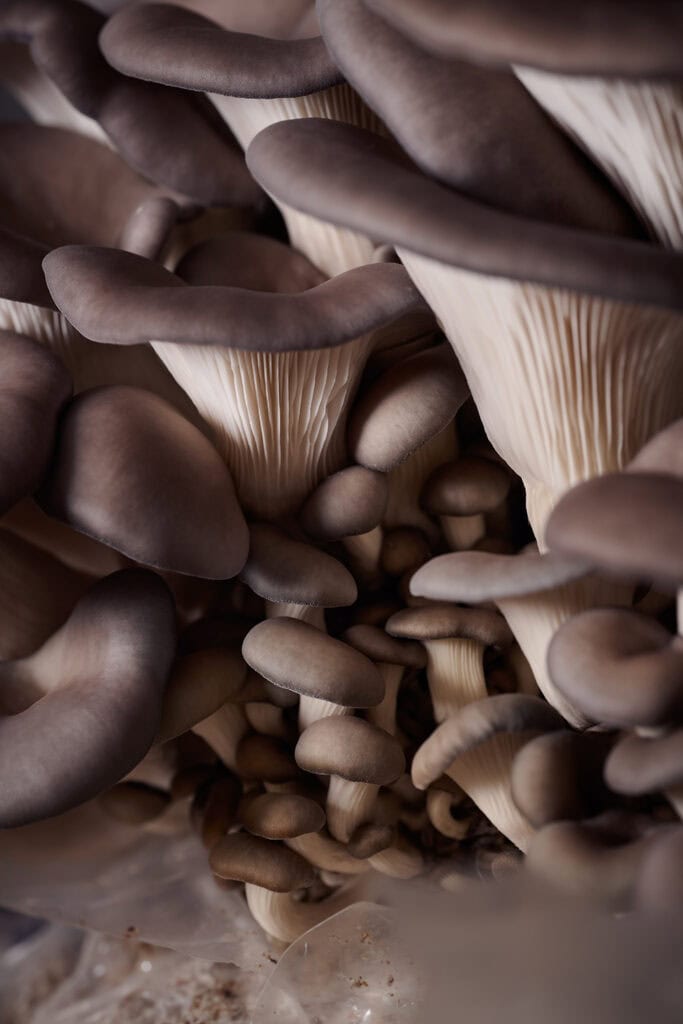
“While [kimchi] originated from Korea, many ethnicities have created their own flavor profiles,” says Kawai Garrido (“Chef K”), co-owner of Cane Fire Catering in Reno. “Versatile recipes use cucumbers, onions, fruit, radishes, and even mushrooms. It doesn’t have to be spicy.”
Pro Tips for Fermenting Kimchi at Home:
Ready to try making your own? See the recipe below, and follow these tips from the pros:
- Use the freshest ingredients possible.
- Buy authentic gochugaru (Korean red pepper flakes).
- Avoid iodized salt; opt for sea salt instead.
- Push kimchi down in jar to keep all contents submerged in brine.
- For juicier kimchi, salt cabbage for a shorter time to retain more moisture.
- Store in the coldest part of your fridge to slow fermentation and extend shelf life.
Delicious Ways to Use Kimchi
Kimchi is endlessly adaptable. Chop it into your breakfast omelet, stir it into mac and cheese, top grilled meats and sandwiches, or swirl it into soups and ramen. It’s also fantastic with pizza and beer.
As temperatures drop, it’s the perfect time to experiment in the kitchen and craft your signature kimchi recipe. Whether you like yours mild or mouth-scorching, there’s a style for everyone.
As Cho puts it, “Surprisingly, kimchi goes well with so many different types of cuisine.”

Ingredients
- 1 gallon brine 1 cup sea salt to 1 gallon water
- 2 large Napa cabbages
- ½ cup gochugaru
- ½ cup daikon radish shredded
- ¼ cup carrot shredded
- 4 scallions sliced
- 1 head of garlic minced
- 1 tablespoon ginger minced
Instructions
- In large bowl, combine brine ingredients. Stir to dissolve.
- Remove coarse outer cabbage leaves; rinse a few of the unblemished leaves and set aside. Rinse cabbages in cold water, trim off stalk ends, and cut each in half. Submerge cabbage halves and reserved outer leaves in brine. Use a plate as weight to keep cabbages submerged. Set aside, at room temperature, for 6 to 8 hours.
- Drain cabbage for 15 minutes, reserving 1 to 2 cups of brining liquid. Set separated outer leaves aside. Meanwhile, combine chili pepper flakes (gochugaru), daikon, carrot, scallions, garlic, and ginger in a large bowl; blend thoroughly.
- Chop brined cabbage into bite-sized pieces; add to the bowl. Massage mixture thoroughly. Taste, adding more salt if desired.
- Transfer vegetables, a few handfuls at a time, into jars, pressing down with your hands. Add reserved brine to submerge vegetables, leaving about 2 to 3 inches of space per jar. Cover with brined leaves.
- Set jars aside on baking sheet to ferment, and be sure to place them out of direct sunlight. Check daily to ensure vegetables are submerged, and skim off any foam. Or screw on lid and refrigerate for a milder-tasting kimchi. Allow 7 to 14 days to ferment.
- After 1 week, taste. Store in the refrigerator. Kimchi will keep, refrigerated, up to 9 months.
More From This Issue
Behind the Brews
The Biggest Little City is home to an impressive number of craft breweries where you can casually sip your favorite…Amazing Alliums
Latin for garlic, Allium is a genus of foods that extend beyond garlic to include onions, shallots, leeks, and chives…