Cuppa ’Shroom
Does mushroom coffee live up to the hype?
Mushroom coffee is all the rage right now, and in case you’re wondering what all the brew-ha-ha is about, read on.
Mushroom coffee is exactly what it sounds like: Various mushroom extracts, usually in powder form, are mixed with coffee to create an enjoyable beverage with added health benefits. It tastes pretty much just like coffee because that’s what it is. The mushroom powder, with its mild, earthy taste, generally blends in well with the robust flavor of coffee beans.
Many products involve premixed extract and instant coffee; you just add hot water. Some extracts are sold separately as powders or tinctures that you mix with your own coffee or beverage of choice. This gives you more control over the quality and strength of the coffee flavor and extract dosage. If you’re a coffee aficionado, you might want to go this route.
Since most commercial products combine sizeable amounts of powdered extract with regular coffee, they contain about half the caffeine as ordinary caffeinated coffee, according to Healthline’s Amber Charles Alexis, MSPH, RDN. There also are decaffeinated coffee versions available and even some coffee-tasting beverages made entirely of mushrooms. The potential reduction or elimination of caffeine is appealing to some people.
The added extracts are made from functional mushrooms, which means they may impart a variety of adaptogenic (stress-reducing) and medicinal properties to the beverage. And that’s the real attraction for most people.
However, mushroom supplements are not regulated by the FDA. Hence, there is a wide spectrum of quality in the mushroom coffee marketplace. Here are some guidelines — but be aware that this popular product still is the “Wild West” of marketing, so be mindful of the hype. We urge you to do some research before plunking your dollars down.
- Read product labels! Most commercial brands include one or more of these mushroom varieties most noted to provide health benefits: lion’s mane, reishi, turkey tail, cordyceps, king trumpet, and chaga. (See Mushroom Guide for descriptions.)
- The best products use 100 percent mushroom extract from fruiting bodies, which yield higher concentrations of beneficial compounds, according to the Sauls brothers, owners of Happy Mushroom Co. They’re more expensive, but you get more bang for your buck.
- The Saulses also advise consumers to avoid products that use mycelium (basically mushroom root system). You’ll be paying for more filler than beneficial compounds in that case.
- Whenever possible, look for products bearing USDA organic and third-party certifications.
- Flavor is important and varies greatly among these products. Buy small amounts first until you find the brand you like.
- Don’t rely solely on internet product reviews. Many are done by people who are paid to write them.
- Start slowly, advises local nutrition expert Heather Graham, PhD, RDN. While functional mushrooms are considered safe for most people, they are not tolerated the same way by everyone. Begin with smaller amounts to determine how your body reacts to the ingredients. Consult your medical provider with any questions about food or drug interactions.
- Enjoy the adventure and the added health benefits that your new cuppa ’shroom will hopefully bring.
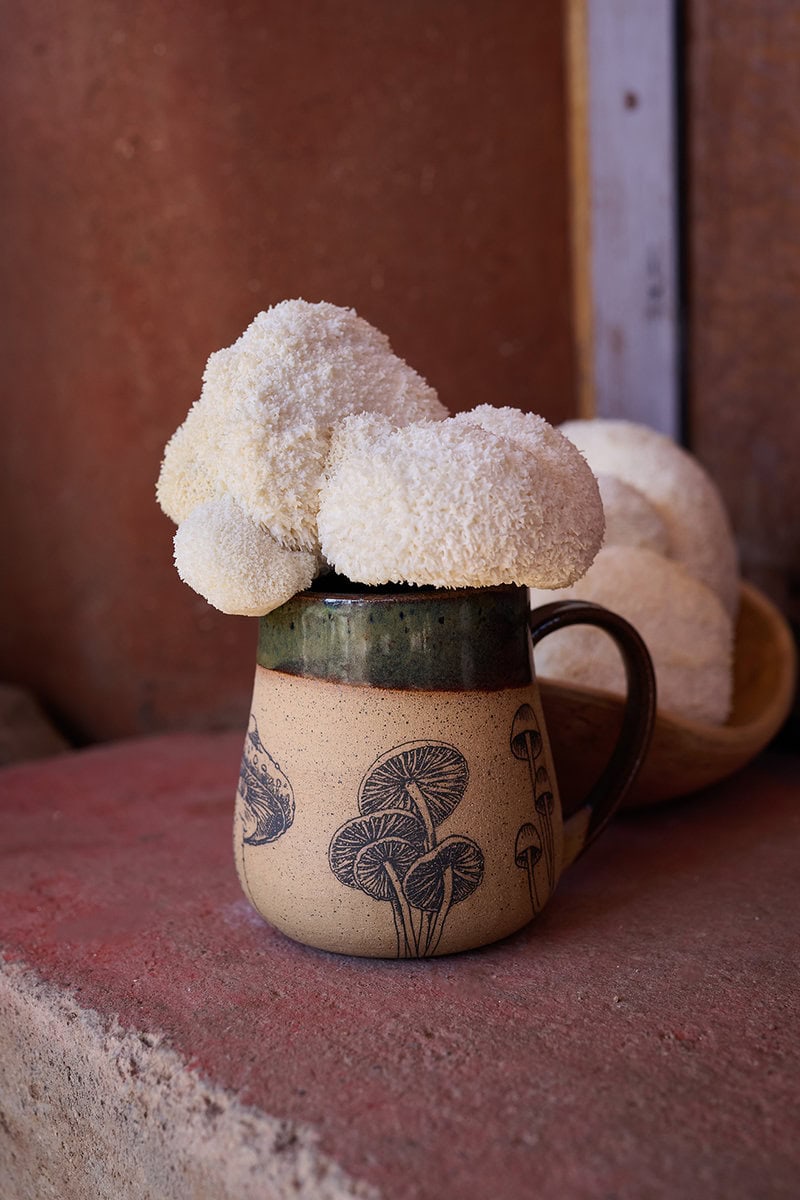
The beautiful handmade mug featured with this story was provided by local potter Frosina, owner of Mountain Love Pottery in South Lake Tahoe. For details, visit Mountainlovepottery.com, or find the business on Instagram at Mountainlovepottery.
More Cover Stories


More From This Issue
Behind the Brews
The Biggest Little City is home to an impressive number of craft breweries where you can casually sip your favorite…Amazing Alliums
Latin for garlic, Allium is a genus of foods that extend beyond garlic to include onions, shallots, leeks, and chives…