Pollinator Ambassadors Unite!
4-H program brings youths together for a purpose.
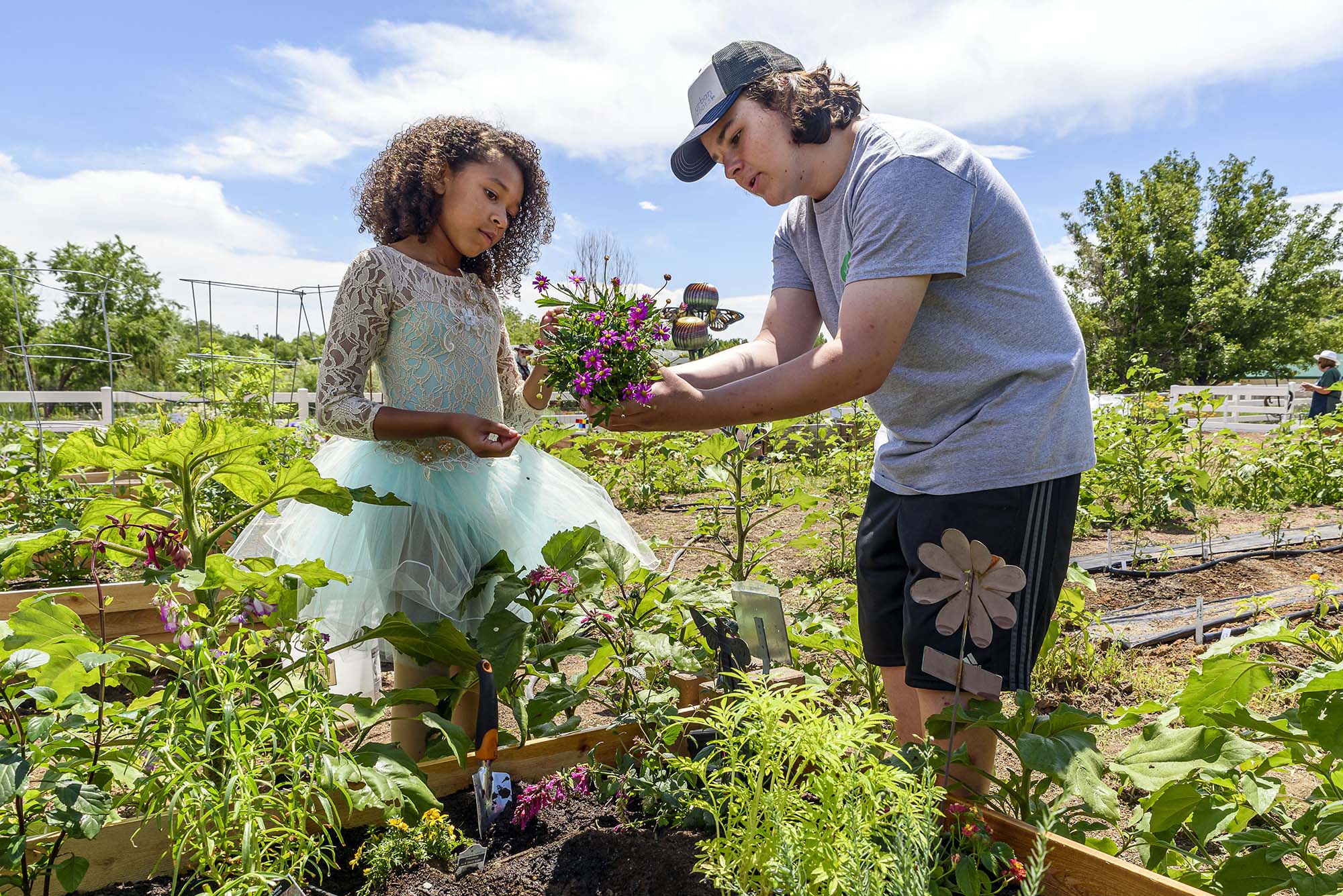
Youths across the United States are taking an active role in supporting pollinator health through the 4-H Pollinator Habitat Program, made possible with grants from the National 4-H Council and Corteva Agriscience. For the first time, this year the program was offered in Nevada.
The University of Nevada, Reno’s College of Agriculture, Biotechnology and Natural Resources extension administered it, with Lindsay Chichester, associate professor and extension educator in Douglas County, taking the lead. During the 11-month commitment, the next generation of conservationists received hands-on experience in preserving bees and other insects.
Through a variety of learning experiences, teen leaders ranging in age from 13 to 19 learned how to plan, install, and work together to sustain pollinator habitats. In total, 13 ambassadors participated from Washoe, Lyon, Elko, Nye, and Clark counties. The group met a few times throughout the program and attended the Ignite by 4-H Teen Summit in Washington, D.C. in March. Members also took on passion projects in their individual hometowns.
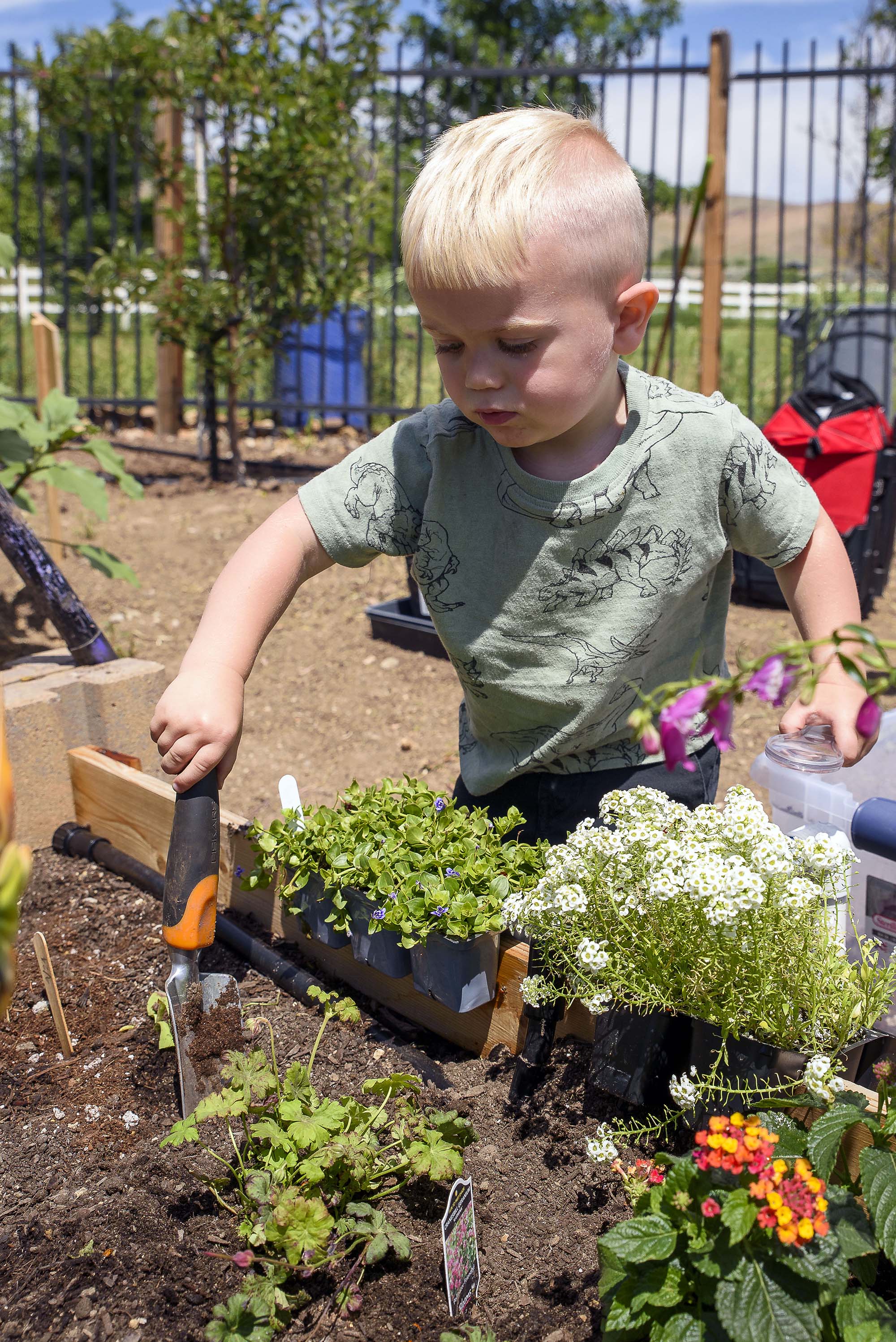
“In Washoe County, they are going to enhance a couple of the [garden] beds at Rancho San Rafael,” Chichester says. “Ambassadors are also planting pollinator-friendly plants in Lyon County at the extension office there, and Clark County is going to enhance one of its master gardener raised-bed locations. In Elko County, a youth is interested in putting up a weather station to help beekeepers monitor the weather.
“We hope that [the program here] continues to be sustainable,” she continues. “We’ve done a little bit of fundraising and seeking grants for the travel.”
One of the projects involves taking the ambassadors on a tour of the northern and southern parts of the state to show them the differences in climates and growing seasons, and some of the challenges in each area.
“As they’re talking to people,” she says, “they’ll have a good idea of the whole state and some of the pros and cons of growing in each of the regions.”
A Look Ahead
With 2024 on the horizon, Chichester and crew are gearing up for the second year of the program. Ambassadors who participated during the inaugural year are encouraged to remain active and continue to mentor newbies through peer-to-peer training. Chichester expects interest to continue to grow.
“One of the things we learned during COVID-19 is people were more curious than ever to learn where their food comes from and how it’s grown,” she explains. “This transferred to a lot of our youths as well. I’ve seen that most teens are super interested in the environment as a whole, and this is an actionable way to help.”
For details about how you or your child can get involved, email Lindsay Chichester at Lchichester@unr.edu.