Biggest Little Bee City
Promoting pollinator health through national campaign.
Reno is all abuzz with its progress on pollinator protection. Last year, Reno followed Carson City’s lead and joined the Bee City USA campaign, a nationwide initiative led by Xerces Society for Invertebrate Conservation. Reno City Council members approved a resolution to conserve native pollinators by increasing the abundance of native plants, providing nest sites, and reducing the use of pesticides.
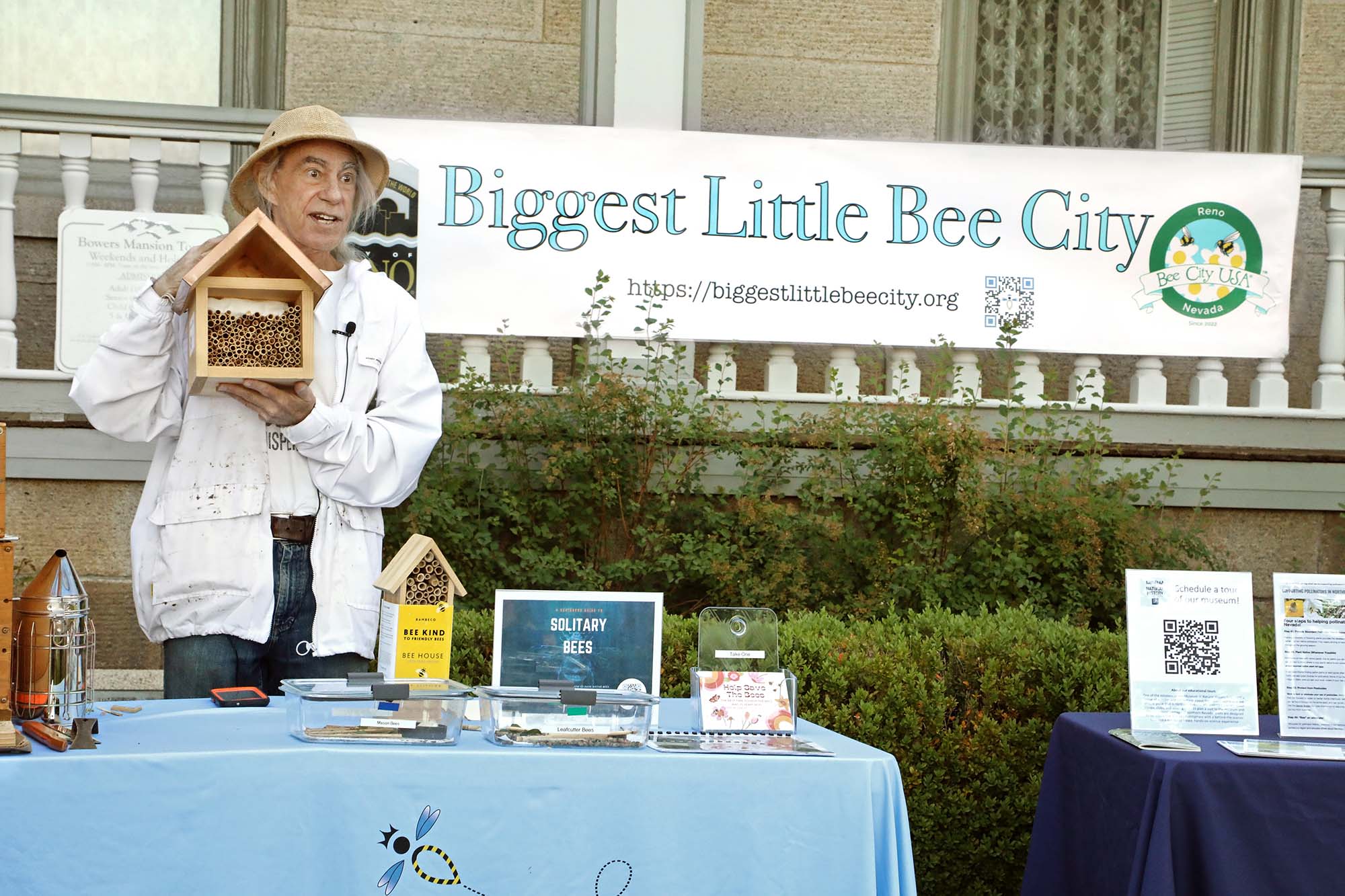
Ray Hopper is founder of Help Save the Bees Foundation, the parent nonprofit organization that spearheaded Reno’s designation as Biggest Little Bee City.
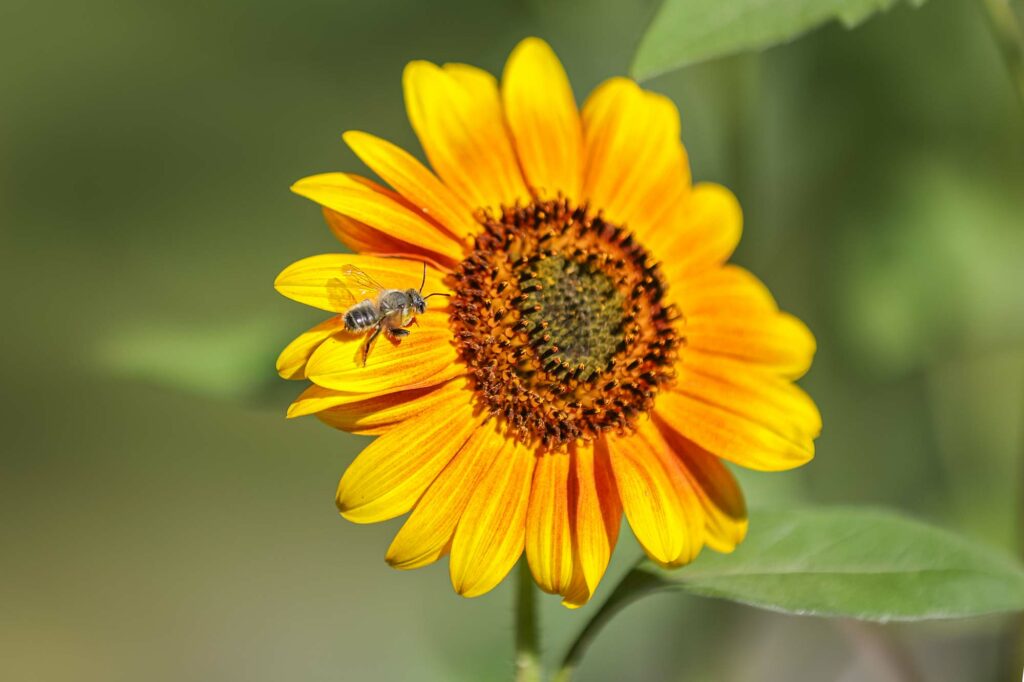
“The city of Reno has long been a supporter of pollinator health,” Hopper explains. “The bees are the poster child of pollinators, and everyone is aware of how important they are; everything we do to improve habitat for bees benefits them all.”
With 12 pesticide-free parks in the area, managers at the city’s parks and recreation department are supportive of the resolution. Several bee-minded groups have come together to adopt the Valley Wood Park Waterwise Gardens in Northwest Reno as another pesticide-free park. Valley Wood features eight themed gardens within two acres of intentionally developed land. Plus, a 200-acre habitat restoration project at Rosewood Nature Study Area in South Reno is underway. The area, which once was a golf course, will be restored to its original natural wetlands condition over the course of the 30-year project.
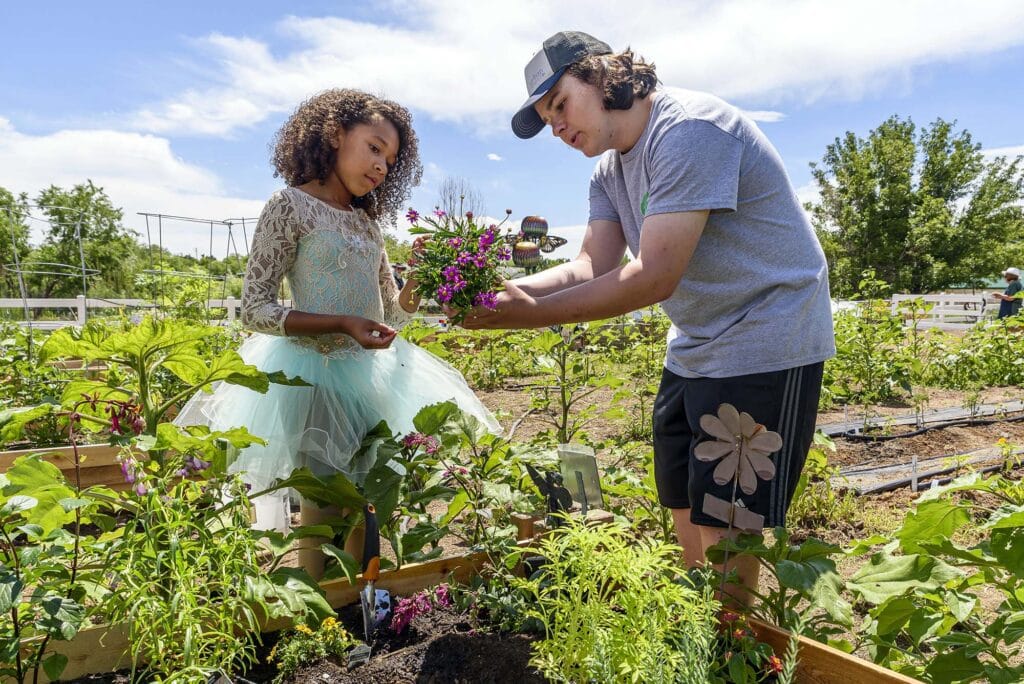
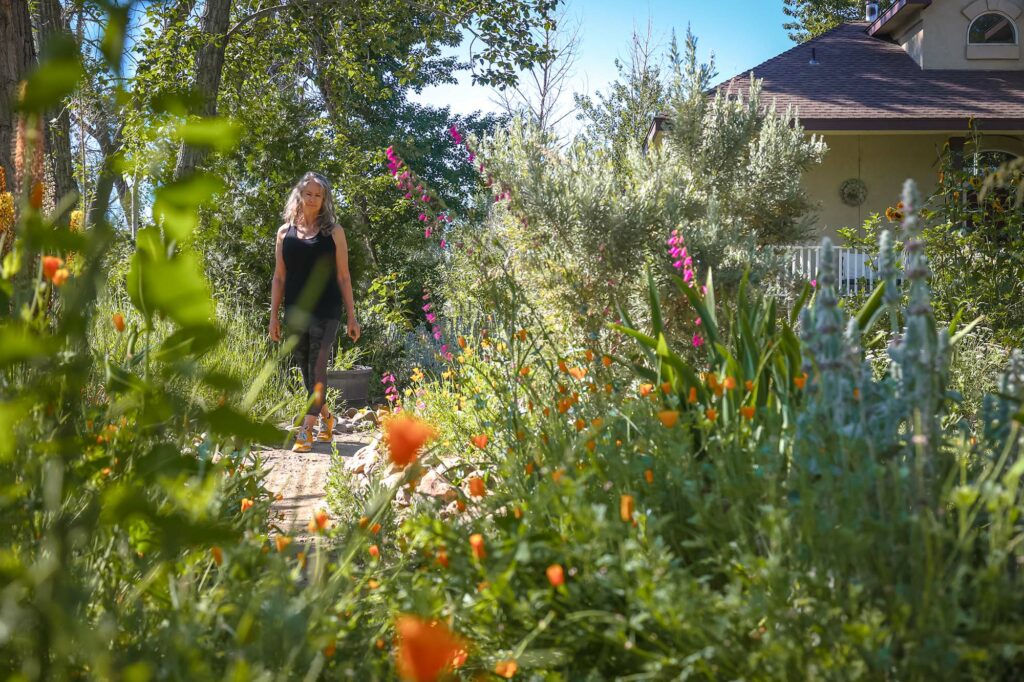
The Bee City spirit extends beyond the public sphere, even including some environmentally conscious corporations, such as Patagonia. Outside its service center and distribution hub in Northwest Reno, a beautiful pollinator garden with milkweed, flowering trees, sage, lavender, butterfly bushes, and yarrow is teeming with bees, butterflies, and other insects. With a bit of thoughtful execution, landscaping can be purposeful and pretty.
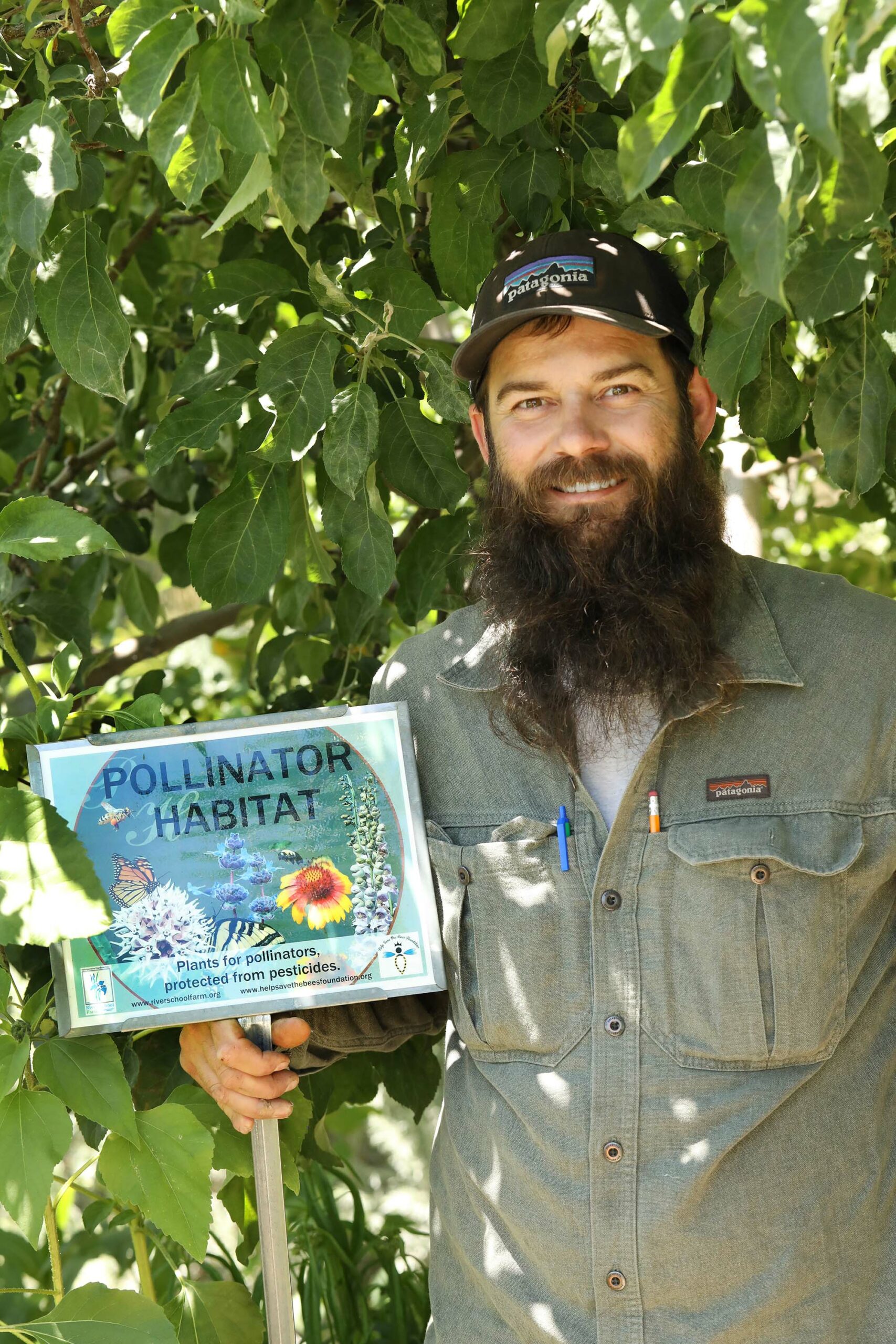
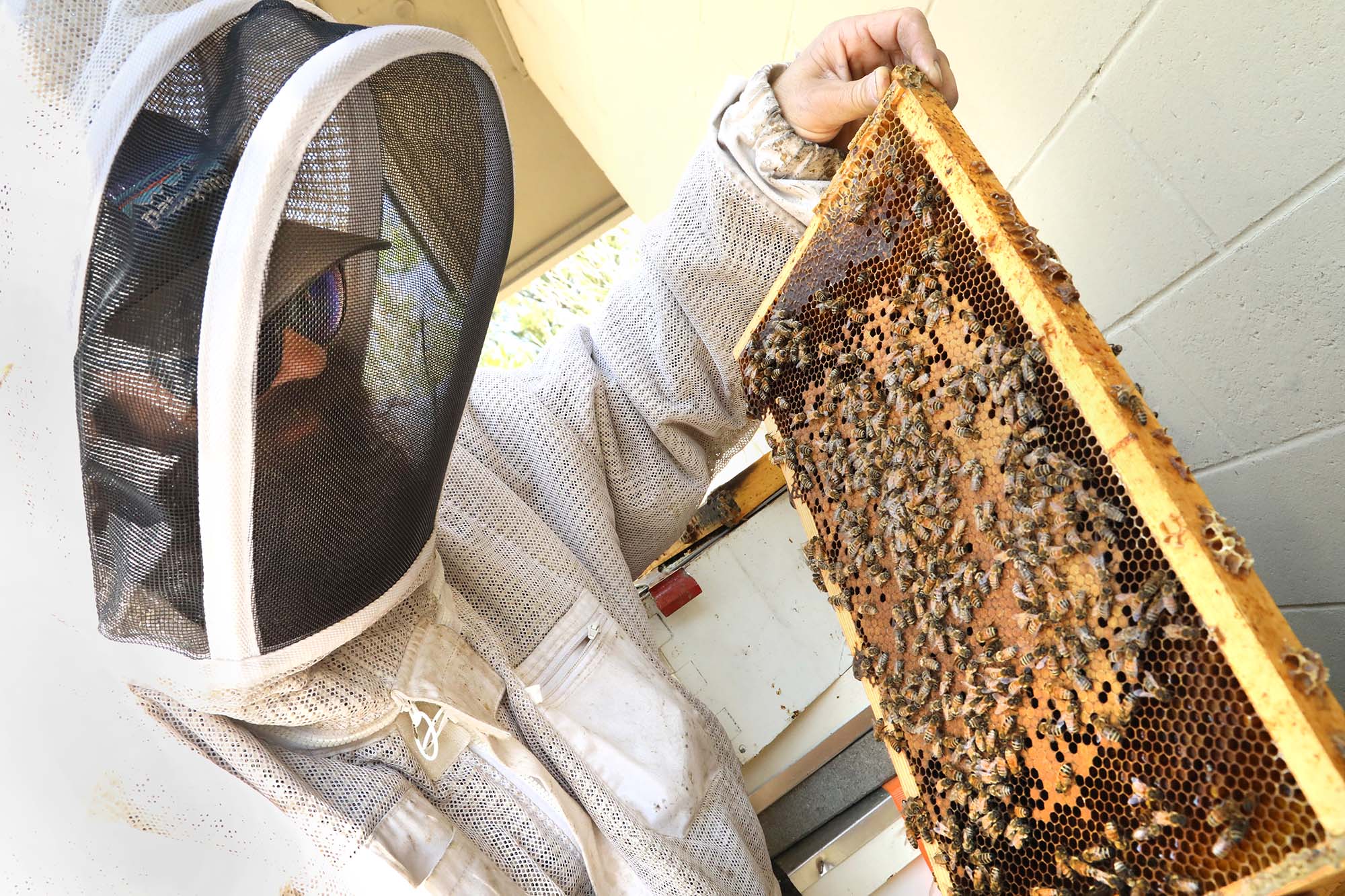
“These are all amazing undertakings that will have lasting benefits,” Hopper says. “It’s the dedication by folks locally, as well as nationally, that can make a difference to bee populations.”
In all, there are 300 Bee Cities in the U.S. promoting the well-being of bees and managing websites containing information relevant to their communities. Truckee Meadows Community College is designated as a Bee Campus USA affiliate, encouraging students and staff who work with Hopper and members of Biggest Little Bee City to generate an annual report and videos highlighting activities taking place in Reno and beyond.
Close to Home
The spirit of bee conservation extends beyond the Biggest Little Bee City initiative to include area residents through the Bee Friendly Reno community campaign, organized by Melissa Gilbert, board member of Reno Food Systems in West Reno. With a goal to help neighbors communicate with each other, Bee Friendly Reno’s intention is to build solidarity among those creating pollinator habitats and those who aim for green lawns with no dandelions.
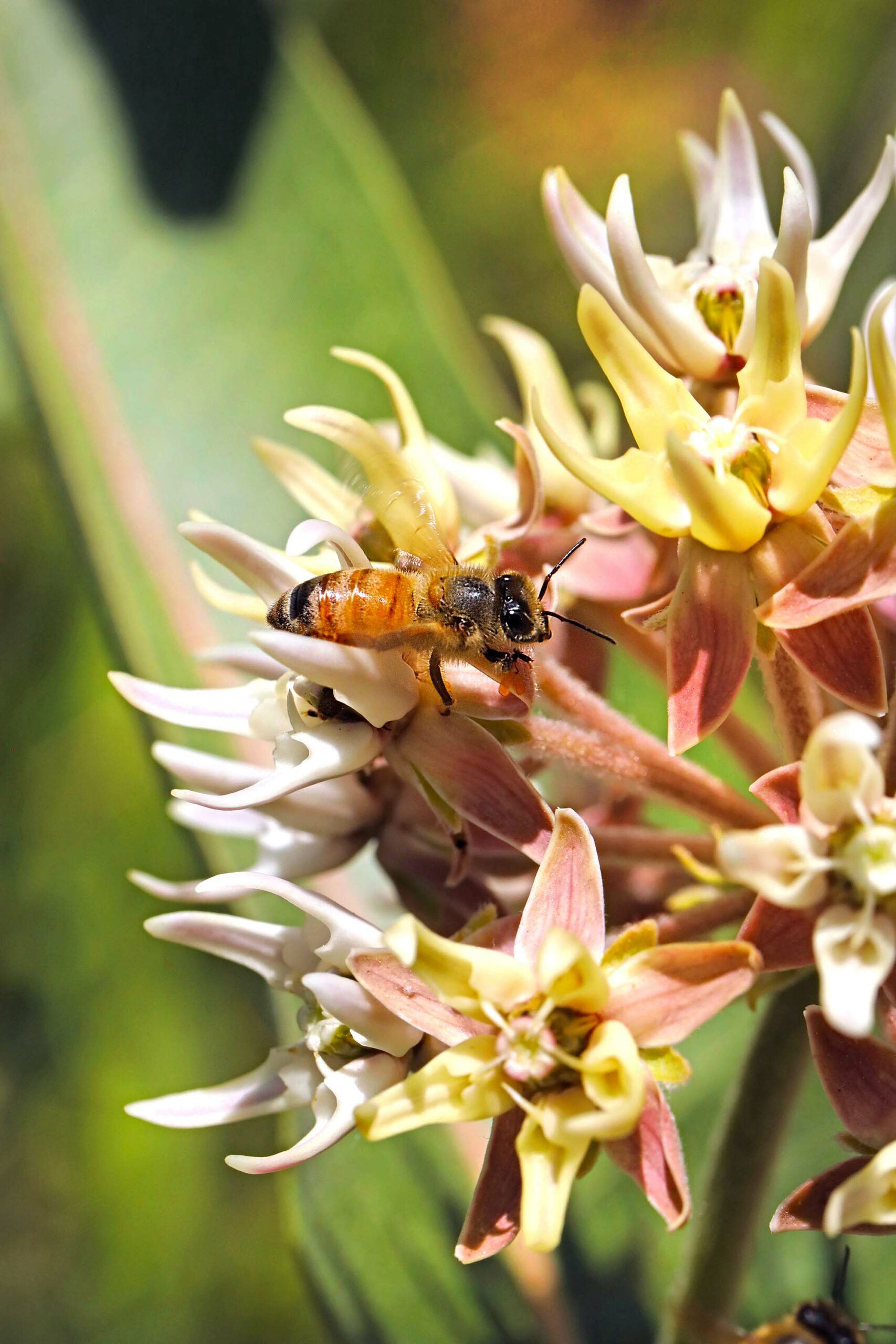
“A lot of times, when you start a pollinator garden in your yard, it can look a little scrappy,” Gilbert says. “We want to help let people know the reason why a pollinator-friendly yard is the way it is. People might think it’s low class to have dandelions, but really it’s one of the best things people can do to help protect bees and other species.”
To participate in Bee Friendly Reno, residents pledge to create and maintain healthy pollinator habitats and receive free signs to place in their yards.
“People feel hopeless sometimes knowing what’s happening with the world,” Gilbert says about the frequent news about pollinator decline. “This is such a simple thing you can do. Stop using pesticides and herbicides, buy pollinator plants, and don’t mow your lawn as often. Studies have shown that just by mowing your lawn only every two to three weeks, all the dandelions and clover will bloom, providing ideal opportunities for bees.”
In addition, Gilbert encourages readers to create water stations outside, such as fountains or bird baths, and retain leaves through the winter and early spring months to encourage hibernation and mating.
“Insects are facing extinction rates worldwide at 40 percent, and so it matters what we do,” she adds. “By creating habitats in our front yards or our backyards, we’re supporting the health of pollinators, which we depend on for food fertilization. There are many things we don’t have control over, but we do have control over whether we use pesticides and plant habitats for them. It’s a beautiful example of how everyday citizens can have an impact.”
To donate to Bee City Reno, visit Biggestlittlebeecity.org. For details about Bee Friendly Reno, visit Renofoodsystems.org/beefriendlyreno.
Bee Help Checklist
Here are some actions you can take to help area bees and other pollinators at home:
- Grow native plants.
- Avoid pesticides.
- Reduce lawn mowing to every two or three weeks.
- Create water stations to attract pollinators.
- Keep winter leaves that have dropped on the ground until spring.
- Volunteer for area cleanup and planting events.
- Take the Bee Friendly Reno pledge at Renofoodsystems.org/beefriendlyreno.
- Donate to Biggest Little Bee City.