Crab Apple Concoctions
A tasty way to put an abundant winter fruit to use.
While winter always brings a plethora of apple-filled treats, from pies to ciders, another smaller variety of the beloved fruit demurely rests beside the kings of the orchard, plentiful in winter and begging to be used: the crab apple.
Of the same genus as your grocery store apple, Malus pumila, the crab apple, Malus sylvestris, is a smaller, tarter version of its cousin, the everyday apple. Crab apples’ golden, deep-red, or even purply hues appear through autumn’s transitioning foliage.
These petite relatives of the common pantry staple must be less than two inches in diameter to qualify as crab apples. Within that small package is a multitude of nutrients frequently touted as being able to help alleviate ailments ranging from diabetes, gout, and inflammation to fever and constipation.
Crab apples are rich sources of vitamins C and D as well as calcium, and are thought by medical experts to be great for the digestive system. High in malic and tartaric acids, they’ve even been used to help heal wounds when crushed and used as poultices, or sliced and placed directly on cuts. Just don’t eat the core or seeds, which can turn to cyanide in a human body once ingested.
Farmers love crab apple trees because they’re fantastic pollinizers for culinary apples; plus, they’re honeybee magnets. They also grow easily in many types of soil and can be used as root stock and for grafting other apple trees.
However, these delectable fruits aren’t limited to farms. Many crab apple trees populate the yards in Midtown Reno, as seen each fall on jaunts through the area.
Preparing the Peculiar Fruit
Fallon author, editor, and homesteader Marissa Ames learned to work with this diminutive produce as a child, watching her mother make crab apple jelly in rural Idaho.
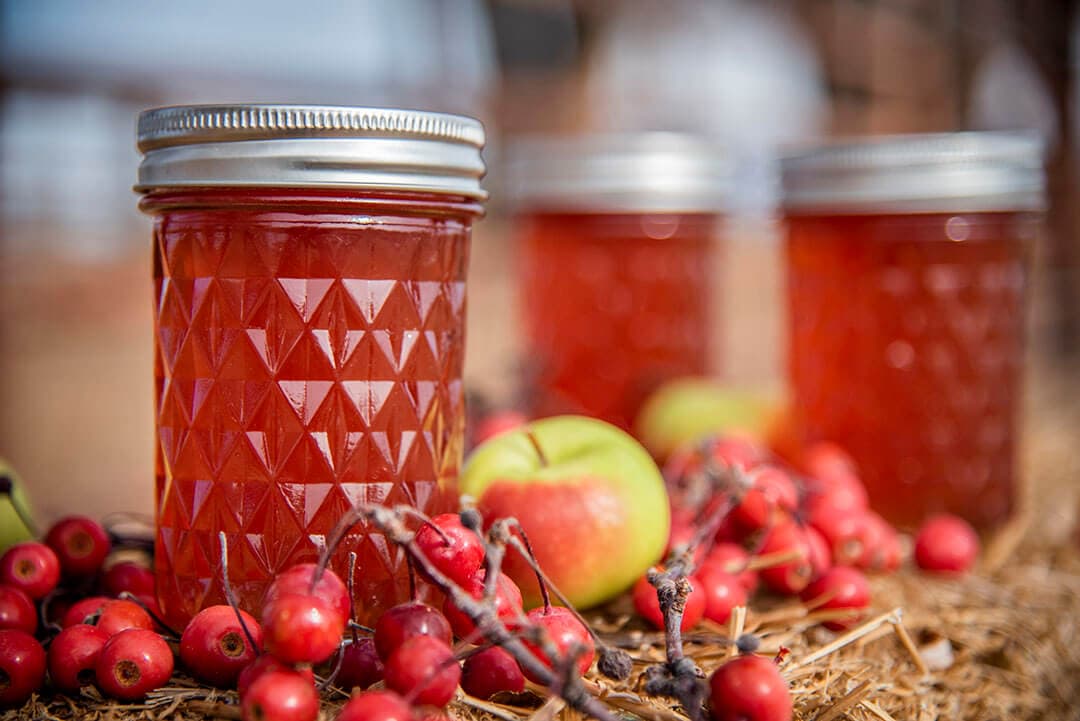
“The tanginess and robust flavor made it better than any other apple jelly I had ever tasted, and it paired amazingly with my dad’s homemade buttermilk biscuits,” Ames says. “She used a golden crab apple, so the jelly was amber-colored, but I have seen stunning jellies from red crab apples.”
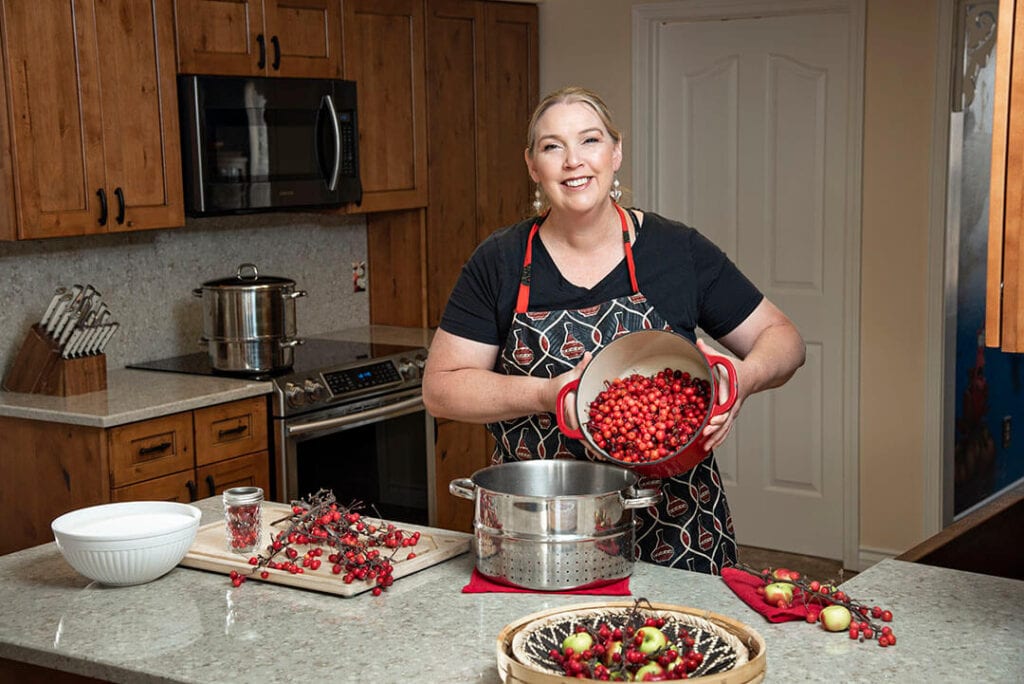 Marissa Ames rinses crab apples
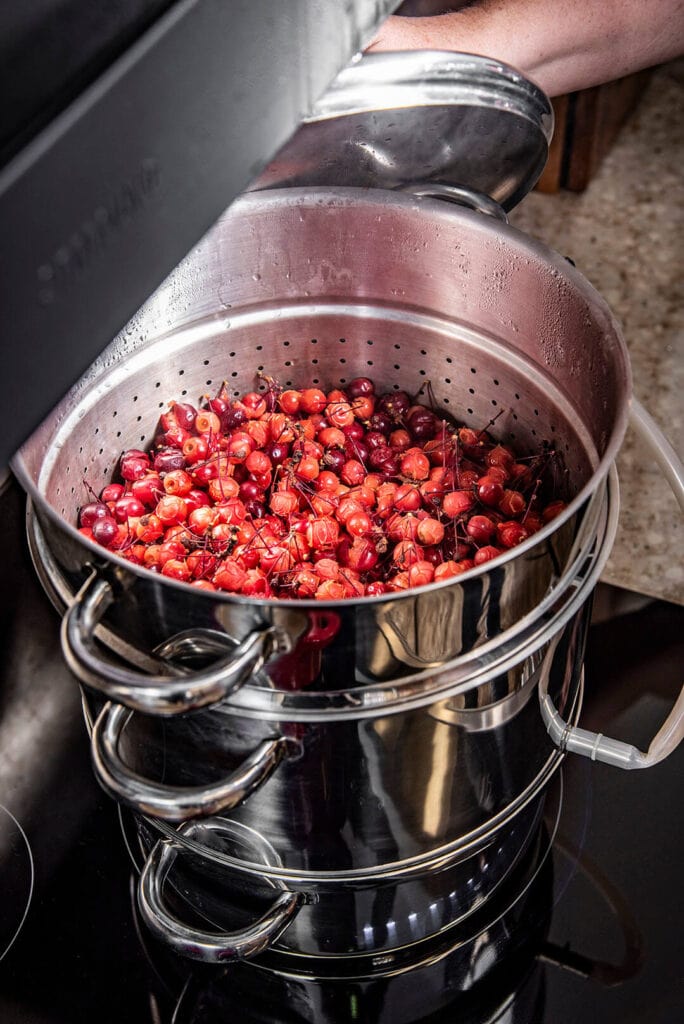 She then transfers crab apples to a stainless-steel fruit juice steamer
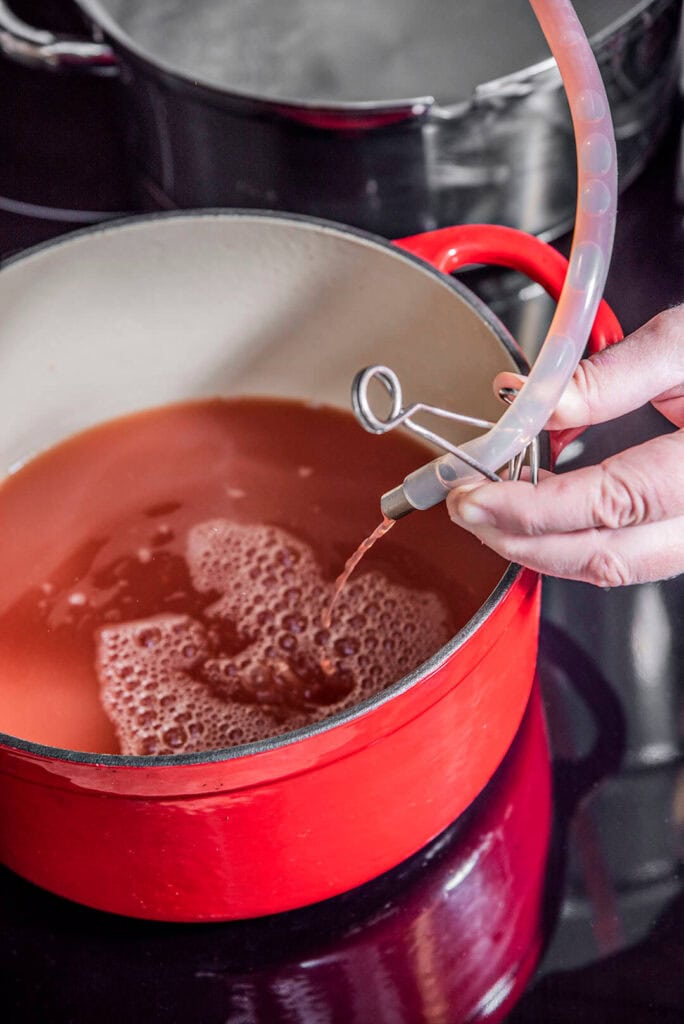 Ames fills a pot with the juice collected from the steaming process
 She then adds sugar to the juice and simmers to reduce the liquid about 10 minutes until it’s a syrup
However, jelly is just one use for crab apples. In chillier months, the freshly harvested fruits also are ideal for making shrubs and syrups for cocktails or mocktails.
Jaime Sammons, co-owner of Two Ravens Farm in Fallon, explains another use for the hearty, floral-scented fruit.
“I use it mainly to make gallons of shrub. I usually mix them with some star anise and ginger. I usually just chop them in half before soaking them for a month or two in a mix of apple cider and white and balsamic vinegar,” Sammons says. “It usually ends up in bourbon-based cocktails during the holiday.”
Ames offers an alternative, crafting a syrup from the luscious little delights.
First, she explains, cut the crab apples in half to check for worms. If you find some, simply cut out the blackened area and use the remaining good flesh. Then follow the recipe provided below.
Once finished, try the crab apple syrup mixed with soda water for a flavorful, nonalcoholic winter sipper. Or add some syrup to a gin martini, as the crab apple’s floral notes complement gin well. You also could add some to a bit of bourbon for a bone-warming beverage.
Ingredients
- 1 lb ripe whole crab apples
- Sugar
- Water
- Spices such as star anise cloves, cinnamon sticks, or ginger, as desired
- Cheesecloth
Instructions
- Rinse crab apples, then place in a large pot and add enough water to cover. Simmer until crab apples are tender. Strain out solids using a few layers of clean cheesecloth.
- Mix 2 parts of expressed juice with 1 part sugar. (You can use less sugar if preferred, as the crab apples are high in pectin.) Place juice and sugar in pot, bring to simmer, and stir frequently. Add spices, if desired.
- Gently simmer about 10 minutes, until thickened. (Avoid overcooking, as it will produce a jelly.) Remove spices (if added). Pour syrup into canning jars. Syrup will thicken as it cools.
- Refrigeration will make syrup last for a few months, freezing will keep it longer.
More From This Issue
Sips Worth the Trip
When it comes to the cocktails he concocts for his guests, Steven Sedillos, the Atlantis Casino Resort Spa’s property mixologist,…The Vines That Bind
It started simply enough. In November 2001, Karen Bowman-Binks invited five couples over on a weekend night for wine and…Big Flavors and Big Plans
Located in a sprawling 30,000-square-foot building in Sparks, Revision Brewing Co. has brewed award-winning, hop-forward beers since 2017. The second…