Party Like It’s 1927
Idlewild Park hosted the Transcontinental Highways Exposition.
Magic descends on Reno’s Idlewild Park, especially on summer nights. It’s lit by the diverse vendors at Food Truck Fridays, and on other nights, the park may host the Reno Night Market or Western Lights Festival. Daytime brings farmers’ markets and the Earth Day celebration. It’s a festive place to gather, eat, drink, and be merry.
What few realize is that about 100 years ago, the park was first created as the gathering spot for a giant festival, the Transcontinental Highways Exposition. A large swath of land along the Truckee River was transformed into Idlewild Park to prepare for Reno’s first festival, promoting the completion of the Lincoln and Victory highways. A slogan of that time was “All roads lead to Reno,” and the exposition heralded the start of automobile-based tourism — still an important financial driving force in our state. The exhibits touted the industry, agriculture, resources, and food of the region.
Picnics and Recreation
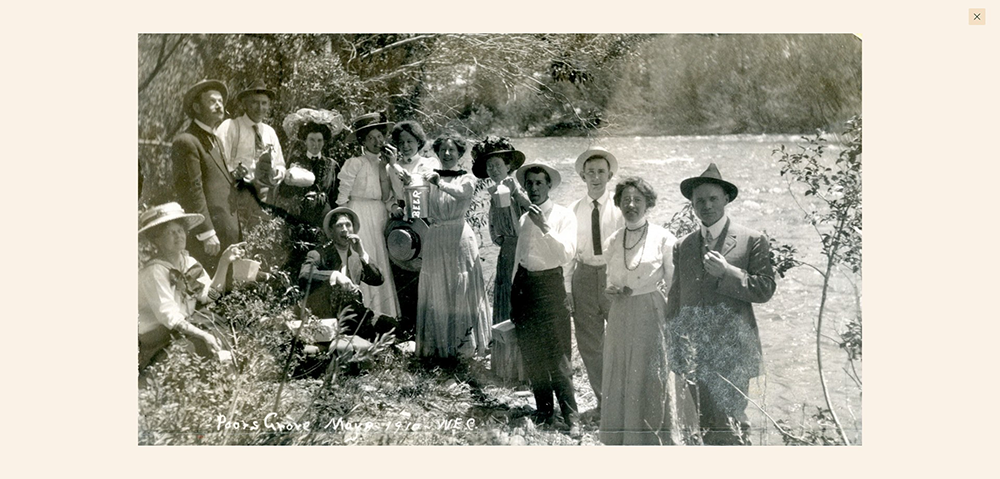
Before 1927, the area was prime ranch land, and Renoites relaxed along this beautiful stretch of the Truckee River. A popular section was dubbed “Poor’s Grove,” recognizing that prominent citizen James Johnson Poor owned the land before it became a city park. In 1921, City of Reno leaders purchased this property for $23,500. Because the spot had no official name, in 1923, the Nevada State Journal held a contest to find one for the 49-acre parcel. A committee waded through 650 submissions before recommending “Idlewild” to the city council. San Franciscan Donald McLaren, who designed the landscaping for the 1915 Pan-Pacific Exposition, was hired to tackle the conversion of the acres into a beautiful and lasting park.
Fairground Fun and Food
The exposition was open from June 25 to Aug. 1, with more than 100,000 people visiting during this short run. President Calvin Coolidge attended, lending a high-profile gloss to the event. The Shriners opened the festivities with a nighttime parade. Chief Wovoka and others from the Pyramid Lake Paiute tribe performed ceremonial dances. The days were kept lively with beautiful-baby contests, boxing matches, and prizes for the best four-horse team raised in Nevada. On Aug. 1, 1927, the Nevada State Journal reported that the exposition was “one of the greatest undertakings ever attempted by a city the size of Reno and by a state with a population of that of Nevada.”
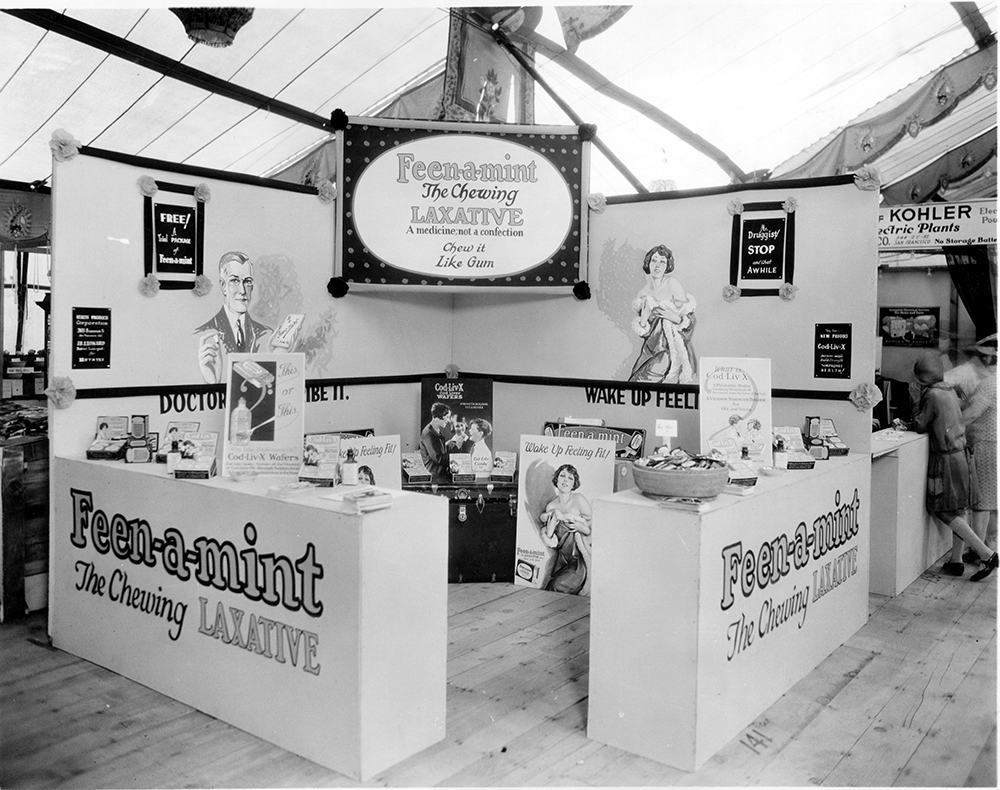
What’s a fair without fun fare? During the three-day opening celebration, visitors and dignitaries were offered free food and whiskey. Commercial vendors set up concession stands throughout the park (an interesting footnote: We know there were vendors because of a still-existing concessionaire application, yet a list of the final applicants has never been found!). From old photos we know Schlitz beer had a booth. You could order Cresta Blanca wine, if you preferred. Maybe your tastes ran toward Gelfand’s Peppy-Nut Sandwich Spread. You’d be tempted by hot dogs, candy apples, and roasted corn. Reno restaurants from that period, including the Coney Island Tamale Factory, Landrum’s Diner, and Hinkel’s Café, may have had stands at the event. And if this all led to your tummy being upset, you would head to the Feen-A-Mint Laxative booth for relief.
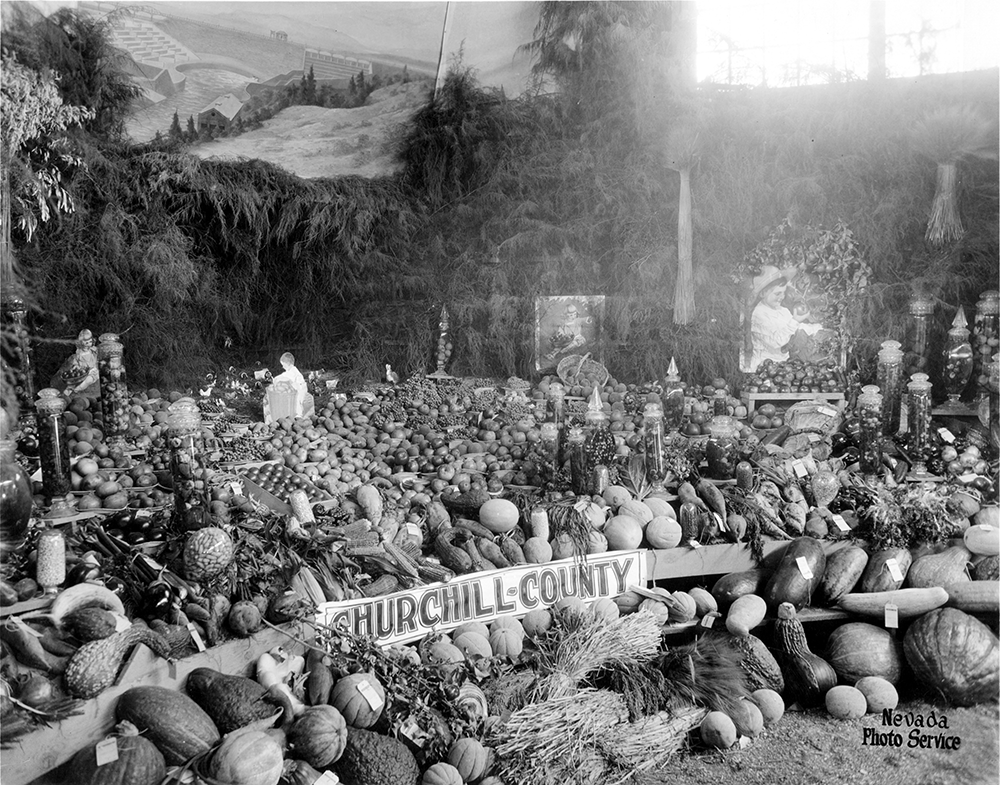
The expo grounds contained elaborately decorated tents from Nevada counties and Western states. Many of the exhibits whetted the appetite. Lyon County highlighted the impact of the Newlands project, which expanded agriculture. Photos from the display reveal shelves with samples of barley, wheat, rye, and corn. Bartlett pears and crab apples from Yerington were enticing. The booth was a cornucopia of produce, including apples, plums, grapes, honey, barberries, celery, apples, potatoes, beans, corn, and cucumbers. Lander County offered an attractive stand featuring honey from Mrs. Otto Kattenhorn.
The largest and most impressive exhibition space was built by the State of California, and its Mission Revival-style California Building still stands. Inside was a relief map measuring 8 feet wide and 19.5 feet long, depicting the agricultural resources of the state, such as vineyards, orchards, dairy products, and truck gardens. San Francisco promoted its port and tourist attractions, and Los Angeles showcased its promising film industry. The structure was listed in the National Register of Historic Places in 1992 and the City of Reno’s historic register in 1998.
The exposition lost money, but the community payoff was significant. The California Building still stands. Tourism in Northern Nevada flourished, bringing motor courts, hotels, gambling parlors, and other amenities. The original Reno Arch, now gracing Lake Street, was designed to advertise the Transcontinental Highways Exposition and included its name and date. And on a summer night in Idlewild Park, as you line up at a food truck, you’ll be reliving the birthplace of Reno festivals.
More From This Issue
Spring’s Raddest Plants
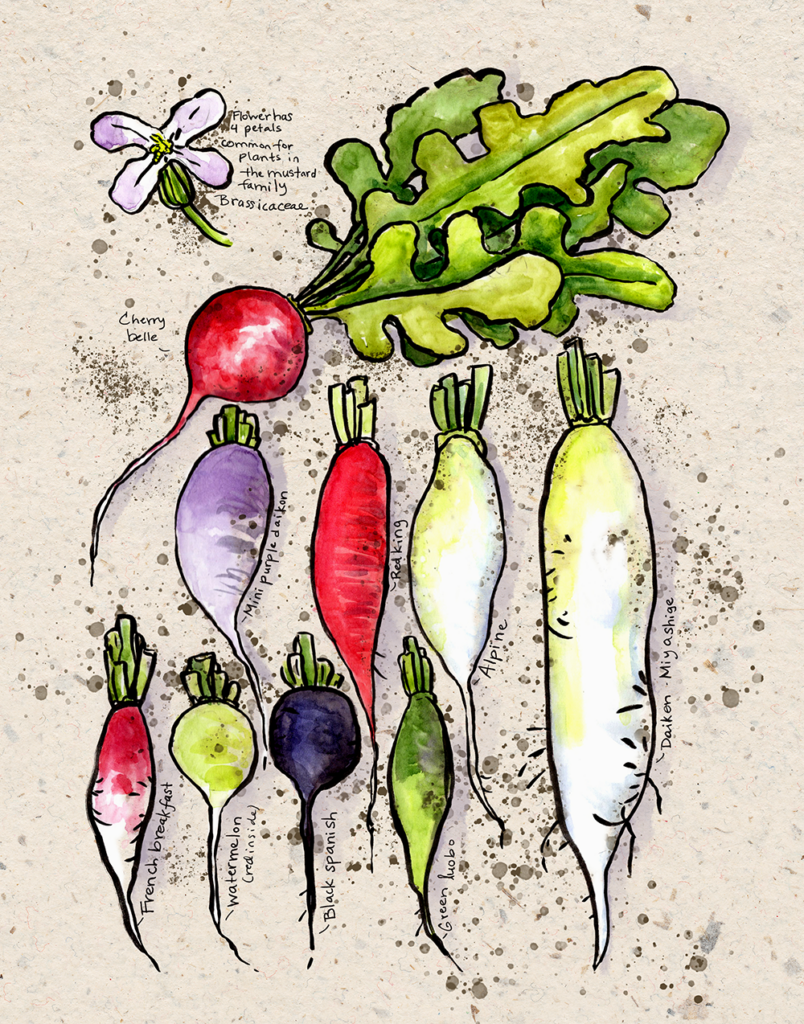
Radishes are one of the first plants I can harvest from my garden each season. If I plant seeds as…